
Circular bioeconomy: a project working on bioplastics from agricultural waste and pruning residues
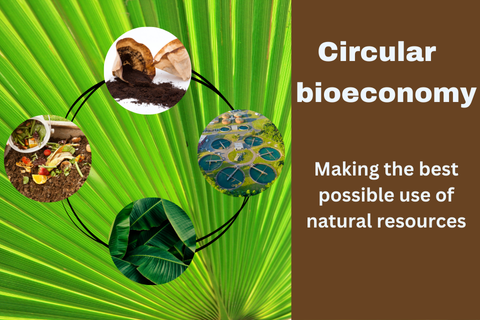
The bioeconomy is a hot topic these days, right up at the top of policy agendas. It involves using renewable natural resources as a raw material. The circular bioeconomy introduces circularity into this concept: using what would otherwise be thrown away, using spent biological resources to regenerate ecosystems and minimising waste.
The ECESP website has a good selection of circular bioeconomy-themed content. This series will shine a spotlight on it.
Circular bioeconomy concept: a project working on bioplastics from agricultural waste and pruning residues
Every year, the Valencian agricultural sector generates around 800 000 tons of plant waste, such as rice straw and citrus pruning waste. The methods used to recover this biomass are costly, as they require commercial enzymes that can represent up to 40% of the cost of the process, limiting its industrial viability. The EU-funded BIOVALSA project aims to develop innovative processes for manufacturing sustainable bioplastics from these waste streams.
It will replace costly chemical compounds with others that allow the three fractions that make up the lignocellulosic biomass to be recovered for use in various applications of interest to the bioplastics industry:
- cellulose will be used to produce lactic acid, a key compound in the manufacture of PLA, the most widely used bioplastic,
- hemicellulose is expected to yield succinic acid, needed to produce PBS, another sustainable biopolymer with greater flexibility and heat resistance, and
- the antimicrobial properties of lignin will be used as an additive to prevent the proliferation of microorganisms. This will increase the market value and expand the potential applications of these biodegradable and compostable materials.