
Ban on destruction of unsold clothes and shoes enters into application
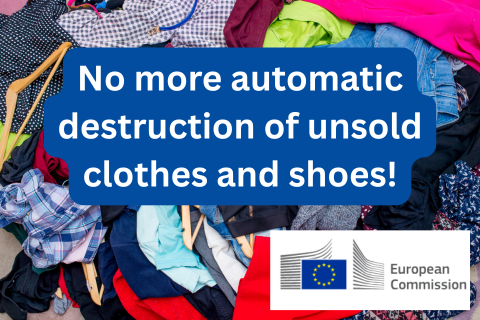
From 19 July, large companies across the EU are prohibited from destroying unsold clothes, clothing accessories and footwear. Medium-sized companies will be subject to the same rules from 2030.
Under these rules, businesses must prioritise keeping products in use by selling them, donating them to charities or social enterprises, or preparing them for reuse (repairing, refurbishing or remanufacturing).
Only products which are unsafe, damaged or counterfeit, which infringe intellectual property rights or which are rejected by charities or donation schemes can be destroyed. This must be done in accordance with the waste treatment hierarchy, giving priority to recycling. Businesses which destroy products must provide proof that they meet these criteria.
National authorities will check compliance and can impose fines for violations. Companies must keep records for five years to allow inspections.
This measure, introduced under the Ecodesign for Sustainable Products Regulation (ESPR), aims to prevent the waste of valuable products and the resources used to make them. By encouraging reuse, repair and more resource-efficient business practices, the new rules support the transition to a more circular and competitive European economy.