The One Click LCA Building Circularity software makes it possible to design buildings using more circular criteria. The software tracks, quantifies and optimises both the circularity of materials sourced and used and end-of-life circularity.
Using good practices and replicable examples from Europe and beyond, these EU-funded BUS-GoCircular project guidelines aim to raise awareness among practitioners and policymakers about their ability to promote a more circular construction sector and upskill professionals.
The Circular Buildings Toolkit will help designers and planners create a better future in the built environment sector. Arup and the Ellen MacArthur Foundation launched the toolkit in a bid to bring a circular economy for buildings into the mainstream, and future-proof assets in the face of a rapidly changing policy landscape.
Reducing the negative environmental impact caused by building processes and materials is an important element of circular construction. Sustainable construction applies to both public spaces (as it pertains to civil and hydraulic engineering) and the built environment (the construction of residential and non-residential buildings).
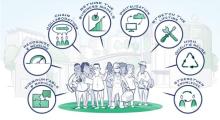
Circular design is gaining momentum as regards creating both a sustainable built environment and public spaces. Circular design makes buildings more adaptable and facilitates the high-value reuse of a structure’s materials once they have reached the end of their life. This toolbox article summarises the circular design of buildings in eight core principles.
Sustainable construction guidelines for public authorities – A circular economy perspective aims to help public authorities navigate through the topic of sustainable construction, understand what it means and determine how to encourage it.
These guidelines are especially targeted at local and regional authorities.
The transition to a Circular Economy requires innovative business models that stimulate optimised use of repairable products, reusable components and recycling of materials. Experts from different fields have collaborated in a Community of Practice (CoP) to improve the financeability of circular construction. This report retraces the 'learning-by-doing' trajectory of this CoP.