
BE O Lifestyle: bioplastic from organic waste
Organisation or Company
Type of organisation or company
Country
Netherlands
City
Nijmegen
Key Area
Sector
Scope
Submitted by
Holland Circular Hotspot
Ongoing
Yes
Description
BE O Lifestyle wants to speed up the transition from oil-based plastic to bioplastic by making attractive, useful lifestyle products made from bioplastic.
After investing four years in research and two years in product development, they have proven that there is a different and more sustainable way to make plastic. They currently have two types of bioplastic, made from waste organic materials:
- They make water bottles from sugar cane residue. More specifically, it is made from the bio liquid which is one of two by-products of sugar production. The moisture is removed from the liquid and the resulting bio granules are used to make the bottles.
- They also make coffee cups from used vegetable oils. The oils are collected from catering establishments, filtered and converted into a bio liquid and then into bio granules. The granules are used to make BE O cups.
As well as being bio-based, BE O bottles and cups are durable, repairable (you can buy spare parts) and 100% recyclable.
In 10 years' time, BE O Lifestyle plans to have expanded its range of products and materials and to have established a BE O factory (which will be CO2-neutral).
Main activity field
Main results
- Since its launch in April 2019, the company has won several awards (Green Product Award, Promz Audience Prize) and been nominated for various innovation prizes.
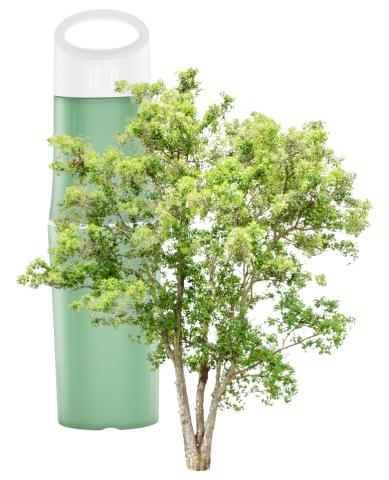
- BE O has also partnered with Trees for the Future, an organisation which plants a tree for every bottle sold. On average, a tree absorbs 15.6 kg of CO2 each year. This has a significant positive impact on the carbon footprint of the BE O bottle.
- The bottles' carbon footprint is negative, as established by regular lifecycle assessments: sum of emissions during the production process minus the 500 g of CO2 absorbed by the sugarcane while it was growing minus another 15.6 kg of CO2 every year for each tree that is planted.