Interested in finding out more about Extended Producer Responsibility in the field of packaging? See the factsheets, videos and documents included in this toolbox.
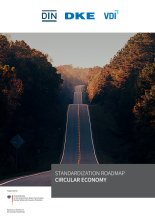
This Standardization Roadmap aims to provide an overview of the status quo of standardization in the field of the circular economy, to describe the requirements and challenges for seven key topics, and to identify possible needs for future standards and specifications.
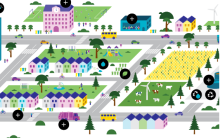
The HOOP project has provided Project Development Assistance to eight lighthouse cities and regions, supporting them with the development of large-scale urban circular bioeconomy initiatives focusing on making bio-based products from urban biowaste and wastewater. The partners have developed a suite of open-source tools to help cities and regions launch urban circular bioeconomy projects.
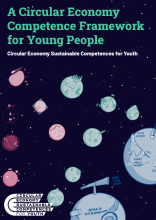
The Circular Economy Competence Framework for Young People is the outcome of research by the Circular Economy-Sustainable Competences for Youth (CESCY) project team. The project has identified the competences that young people need when adopting a circular economy approach.
The CESCY initiative aims to bring together stakeholders with a specific knowledge set to contribute to the creation of a competence framework for youth work on the circular economy.
Based on their findings, the team has created a competence framework that helps young people to take an active role in the transition to circular societies.
Between September 2021 and March 2022, the Circular Economy - Sustainable Competences for Youth project team conducted an online survey, reaching more than 200 young people aged 18-30 across Europe. These findings fed into data used to prepare recommendations advocating better inclusion and opportunities for young people regarding the transition towards a circular economy.
UNECE and UN/CEFACT, together with key industry stakeholders, have launched a project for an international framework initiative to enhance transparency and traceability for sustainable and circular value chains in the garment and footwear industry.
In its publication "Transition time! A circular economy for plastics", the Dutch Sustainable Growth Coalition sheds light on the challenges of plastic, shares innovative cases and makes specific recommendations on how to incentivise action.
The NETWAP project has produced a set of guidelines for national and local governments to manage biowaste and optimise marine litter prevention on beaches, with an emphasis on the local/community dimension.
This new UNEP report highlights the critical role of financial institutions in advancing the growth of circularity by investing in businesses that take a more sustainable approach to production and consumption.