The webinar will explore how advanced materials and circular design approaches are shaping the future of high-performance composite applications, with a focus on wind energy.
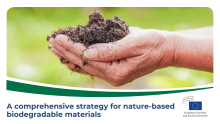
This public hearing is organised in connection with the opinion being prepared by the EESC on A comprehensive strategy for nature-based biodegradable materials to foster circularity and resource efficiency, strengthen the agri-food sector and scale-up the EU bioeconomy. The hearing will gather input for a comprehensive strategy for nature-based biodegradable materials.
This exclusive briefing and networking event will provide an overview of the current situation and challenges related to war debris and hazardous waste management in Ukraine and highlight investment and business opportunities for companies and stakeholders interested in contributing to Ukraine’s circular recovery and reconstruction.
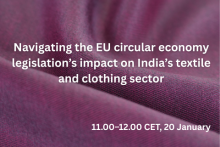
This webinar will look at how the EU Ecodesign for Sustainable Products Regulation (ESPR) is affecting Indian textile and fashion suppliers exporting to the EU. It will explain what is involved and what exporters need to do to comply with the rules.
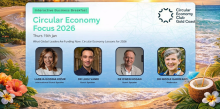
This interactive workshop will explore where investment, leadership and effort can deliver the greatest circular economy impact in 2026.
With four panellists including Ladeja Godina Košir, chair of the ECESP, it will look at the circular economy in real-world conditions, circular education programmes and how EU-Australia cooperation can drive on the circular economy.
The Horizon Europe RECREATE (REcycling technologies for Circular REuse and remanufacturing of fiber-reinforced composite mATErials) project aims to develop a set of innovative technologies which will exploit the potential of end-of-life complex composite waste.
It is organising a webinar looking at practical and emerging approaches for recovering value from end-of-life composite parts.
The Horizon Europe iCOSHELLs project aims to reduce soil pollution and promote restoration, improve soil structure and biodiversity, and increase soil literacy. It has launched an open call for new stakeholders and prototypes (innovative practices, technologies, circular solutions or tools), to be tested in real-life conditions within the Living Labs.
Biodegradable plastics are often perceived as environmentally friendly, but how true is this in practice, especially in the cold climatic conditions of Northern Europe and in anaerobic biowaste treatment?
This timely webinar explores the realities of plastic biodegradation in biowaste recycling facilities as well as soil and aquatic environments in northern climatic conditions.
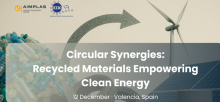
This workshop aims to connect the worlds of recycling and renewable energy, fostering synergies between materials circularity and technologies such as photovoltaic panels, wind turbine blades and batteries. Come and explore how recycled plastics and rubber can drive the clean energy transition!
The BALTIPLAST project (Baltic Approaches to Handling Plastic Pollution under a Circular Economy Context) brings technological solutions to help public authorities reduce plastic waste and trigger investments in sustainable sorting and recycling.
Its final conference will be an inspiring occasion for everyone committed to reducing plastic pollution and accelerating the circular economy.