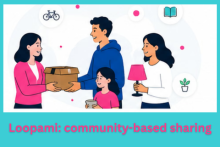
Loopami is a Milan-based platform which creates local communities of people interested in sharing and reusing items. It's still in the testing phase, but the initiative reduces consumption and waste while also forging closer ties between neighbours.
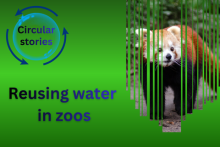
We are all aware of the need to use water sparingly. Still, some facilities need a lot of it – including zoos. This LIFE project is developing a way for zoos to reuse water safely.
Europe has built ambitious rules for circular batteries, but regulation alone does not create functioning markets. As growing volumes of EV batteries leave vehicles with useful life remaining, fragmented diagnostics, valuation, regulation, logistics and cross-border processes risk leaving valuable capacity stranded or prematurely recycled.
Rebattex estimates that up to 180 GWh could become accessible by 2035. This paper argues that Europe must develop the “missing middle”: trusted market infrastructure connecting manufacturing and recycling through repair, reuse, remanufacturing and repurposing, supported by common standards, traceability, regulatory clarity and digital transaction infrastructure.
This conference will look at how social and circular practices operate in Croatia and across Europe, and what policy and funding frameworks they need.
What can “old” and “new” Member States learn from each other in policy and practice? How do EU‑level policies translate into national laws, and what important gaps remain?
This year, this long-standing event will shift the focus to the circular economy. Six tracks of plenary sessions and workshops will stretch over two days, exploring topics such as reuse, responsible production and consumption, and anticipating future events.
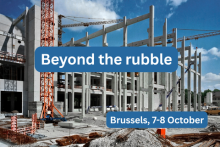
This conference aims to discuss future scenarios for sustainable management of construction and demolition waste. It will showcase the achievements of the INERTWASTE project and present inspiring circular solutions.
French industry discards a huge percentage of its production output. Maximum uses those valuable rejects to make standardised furniture, such as chairs, tables and benches.
Faerch is a global food packaging company that develops recyclable, high-performance food packaging solutions and closed-loop systems for used food packaging materials.
It keeps PET in use, reducing reliance on virgin plastics and reducing waste.
TexCycle comprises the textile recovery initiatives provided by Eurotex Ltd.
Textiles are collected in Western Europe and the USA, transported to the facility in Bulgaria and directed to the highest-value recovery option: reuse, recycling or energy recovery.
Inrego buys old IT equipment and sells it on or leases it once it has been refurbished. They also offer a service extending the lifespan of devices before they are returned to their owners, and buy back devices sold to companies.