This comprehensive toolkit assists countries with assessing circularity within their building sectors.
It provides quantitative and qualitative assessments through a set of indicators and a structured questionnaire, helping to identify gaps and priorities for improving circular material and waste flows, reducing environmental impacts and enhancing economic and social benefits.
ASF is a methodology developed for the sustainability assessment of additive use throughout the lifecycle of PVC articles. It is a replicable, risk-based methodology that integrates different types of quantitative and qualitative knowledge, including environmental and lifecycle process management dimensions.
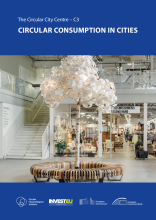
This guidance document provides cities with practical tools to drive the circular economy transition at local level and directly harvest its benefits.
It looks at circular consumption principles and approaches, redefining urban space to facilitate circular consumption, challenges in the transition to circular consumption, and the role of cities in promoting circular consumption.
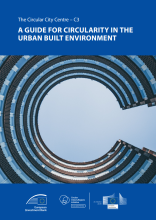
This document is intended to guide cities on how to advance their circular transition in the built environment, from establishing an enabling framework to implementing circular solutions.
It covers a circular urban built environment, the changing roles of stakeholders in a circular built environment and key recommendations and action points for cities.
This document provides an easy step-by-step guide for developing a Circular City Strategy. It looks at relevant good practices in Europe and considers common barriers and key factors for success in this process.
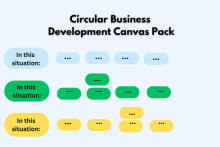
The Circular Business Development Canvas Pack is a set of tools designed to help businesses transition to circular economy models. It integrates key sustainability principles into business development, offering structured frameworks to map out circular strategies, value chains and impact.
French regulations on the circular economy in the construction sector have evolved significantly in recent years. INEC and Altes Avocats have produced an accessible guide to help stakeholders apply those regulations and share best practices.
This Standardization Roadmap aims to provide an overview of the status quo of standardization in the field of the circular economy, to describe the requirements and challenges for seven key topics, and to identify possible needs for future standards and specifications.
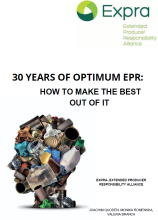
The Extended Producer Responsibility Alliance (EXPRA)was founded in 2013 to promote effective and efficient EPR systems and sustainable packaging. It has produced a study outlining the core principles and practices of EPR, which are crucial for shaping and supporting effective EPR policies across Europe and worldwide.
The HOOP project has provided Project Development Assistance to eight lighthouse cities and regions, supporting them with the development of large-scale urban circular bioeconomy initiatives focusing on making bio-based products from urban biowaste and wastewater. The partners have developed a suite of open-source tools to help cities and regions launch urban circular bioeconomy projects.