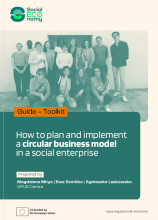
The Erasmus+ project SocialECOnomy has produced a circular business model toolkit designed for social economy entities. It helps social enterprises transition their operations to circular processes step by step.
This comprehensive toolkit assists countries with assessing circularity within their building sectors.
It provides quantitative and qualitative assessments through a set of indicators and a structured questionnaire, helping to identify gaps and priorities for improving circular material and waste flows, reducing environmental impacts and enhancing economic and social benefits.
The ECO-FUTURE project was a 24-month transnational cooperation project on Teaching Circular ECOnomy to the FUTURE Generations.
It produced a series of educational tools in the field of the circular economy. The materials produced provide an upskilling pathway programme with which teachers can help 6-12 year old pupils explore the topic and values of the circular economy and sustainability.
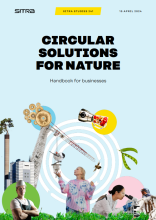
This is a comprehensive guide for businesses aiming to integrate circular business models into their operations with a view to effectively addressing biodiversity loss.
It guides companies through the process of identifying and prioritising their most critical biodiversity impacts.