The BAMB project was an innovation action within the EU-funded Horizon 2020 programme.
BAMB promoted a systemic shift where dynamically and flexibly designed buildings could be incorporated into a circular economy. Through design and circular value chains, materials in buildings keep their value – in a sector producing less waste and using less virgin resources.
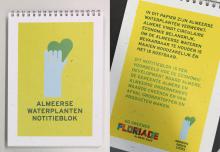
The city of Almere, working together with local stakeholders and the company Millvision, has developed an innovative circular economy partnership.
The aquatic plant which grows in the lake is a local and renewable input for paper production. It is also circular since something that would otherwise be discarded as waste is used as a raw material.
The Port of Rotterdam Authority and the Municipality of Rotterdam worked with KWS Infra and Arizona Chemical to deploy recycled asphalt. The process utilised a "rejuvenator" using raw material extracted from pine tree by-products.
By installing a liquid cooling and heat recovery system in server rooms or decentralising its servers in "digital boilers" located in residential and public buildings, Stimergy recycled heat from data servers to water heating systems. Thanks to its liquid heat recovery system, Stimergy reduced both energy waste of servers and energy needs of water heating systems.
ECO3 is an innovative, industrial-scale, multidisciplinary bio- and circular economy business area. It offers companies which set up there a number of advantages, such as expert assistance in developing the circular economy as a core business concept, support with finding business and cooperation partners and frictionless cooperation and teamwork with public administration and authorities.