This report looks at whether, and to what extent, the EU recycling targets can be met through improved recyclability of packaging and increased separate collections of municipal waste.
It examines the role mixed waste sorting (MWS) could play in three EU countries with high recycling performance – Germany, Belgium, and Sweden.
The conclusion is that in addition to separate collection and improved recyclability of plastic packaging, a full roll-out of effective MWS is necessary to meet recycling targets consistently, and to ensure progress towards the EU’s wider carbon emissions reduction goals.
This conference brings together regional and national governments, mixed waste sorting operators, recyclers, experts, and technology providers from countries across Europe to share their expertise on the introduction of MWS as an additional tool for the recovery and re-circulation of Europe’s valuable resources.
The conference is a timely response to the current revision of the EU’s Waste Framework Directive and the Industrial Emissions Directive.
Textiles are on average the fourth-highest source of pressure on the environment and climate change from a European consumption perspective, as shown in previous EEA briefings.
Europe faces major challenges managing used textiles, including textiles waste. As reuse and recycling capacities in Europe are limited, a large share of used textiles collected in the EU is traded and exported to Africa and Asia, and their fate is highly uncertain.
The common public perception of used clothing donations as generous gifts to people in need does not fully match reality.
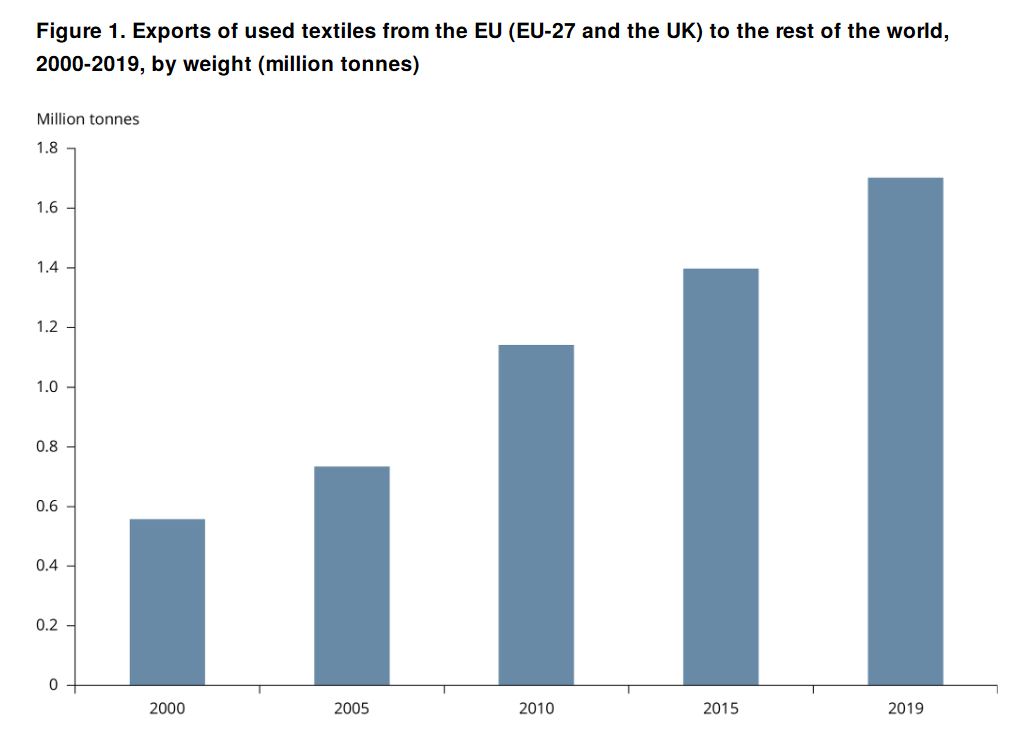
In the course of two decades, there has been a threefold increase in EU used textiles exports
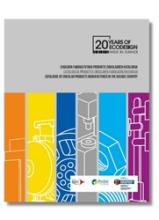
The catalogue, entitled "20 years of ecodesign - Made in Euskadi" and available in both physical and digital formats, is the first in Europe to compile a broad list of product categories from ten industrial sectors, namely the chemical industry, the metal sector, furniture, automotive, food, production and consumption, machinery, transport, electric-electronic, and the construction materials sector. Individual data sheets containing the main characteristics and aspects of each circular product are provided.
The publication illustrates how lifecycle analysis methodologies have been applied to substantially improve the environmental impact of these products and to serve as an example for the European industrial sector.
Although only 24% of the new circular solutions developed or demonstrated in the projects are already operational, the results of all the projects completed as of this date and validated by the companies have been included.
See also the website listing all the Basque Country's circular solutions to date.
The 70th session of the United Nations Economic Commission for Europe (UNECE) will take place in Geneva on 18-19 April 2023. The Commission is UNECE's highest decision-making body, and in this session it will take stock of its work to promote a circular economy and the sustainable use of natural resources, among other issues.
Interested in circular plastics? Join the interactive webinar "A Circular Economy for Plastics in Canada & the Netherlands" on 5 April to learn more about current policy approaches, best practices, latest technologies and market opportunities in the Netherlands and Canada.