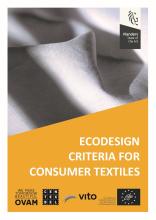
This research project lists ecodesign criteria for circular fashion and textiles.
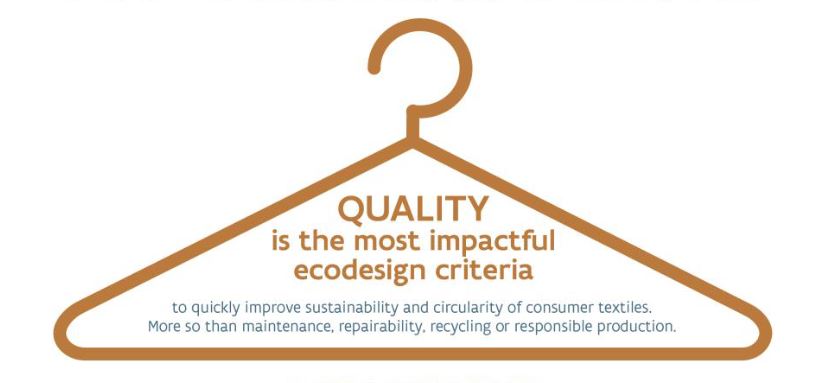
It focused on giving consumer textiles a longer lifespan with optimal reuse potential, making disassembly and recovery possible, and exploring upcycling and high-quality recycling. Extending the life of textile products turned out to have the greatest impact in the short term. Quality seems to be the most impactful ecodesign criterion when it comes to improving the sustainability and circularity of consumer textiles as quickly as possible.
The project defined seven product categories, identifying a set of minimum criteria for each. The report looks at existing labels, standards and regulations and the authors hope it will help expand the Ecodesign Directive by adding a textile category.
The EU-funded Fashion For Change 2022 Accelerator Programme aims to support designers, innovators and startups from the European textiles and fashion industry in this transition. Applicants are invited to team up and submit their proposals for the Accelerator Open Call by 19 April.
Recovo is a B2B platform located in Spain which specialises in selling on deadstock fabric which would otherwise be classified as textile waste.
The platform helps EU-based brands and suppliers to give a second life to unused fabric. This reduces the amount of resources needed to meet buyers' needs and cuts down on waste.
Recovo uploads photos and information on fabric remnants put up for sale by producers which can then earn money from products rather than paying for waste disposal. Buyers can order samples, then buy as much of the fabric as they want which is delivered straight to them. Recovo ships within the EU, and most vendors are located in Europe, specifically Spain and Portugal.
A user-friendly platform promoting circularity and combating waste!
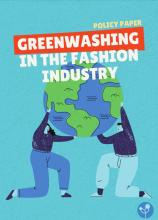
This policy paper sheds light on the false claims and misleading communication campaigns advertised by the fashion industry. It discusses the environmental impacts associated with these greenwashing claims in relation to three issues: materials, circularity and climate.
The paper further presents the most common statements and strategies used by fashion companies to convey their alleged engagement in environmentally sustainable practices.
Finally, recommendations are given on the policies needed on the EU-level to ensure that fashion brands are providing accurate and verifiable information to consumers, for them to make informed choices.
With this policy paper, Generation Climate Europecalls on the EU to address the growing issue of greenwashing in the fashion industry.
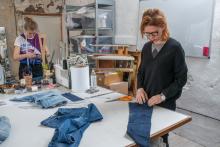
The mission of Reet Aus is to minimise the ecological footprint of one of the world's most contaminating businesses – the fashion industry. They do it by industrial upcycling. This not-wasteful way of production is based on a scientific methodology called UPMADE® that has been developed by the designer and founder PhD Reet Aus in cooperation with Stockholm Environment Institute Tallinn Center.