The InvestCEC project aimed to bridge the gap between local action and EU-wide ambition, offering investment readiness support and raising a fund to enable public/private partnerships.
It produced five factsheets setting out guides and replication materials developed by the project.
This report proposes a bold new idea for EU waste policy: an EU-wide cap-and-trade system to cut residual municipal waste – the waste that remains after prevention, reuse and recycling.
Instead of pushing waste from landfill to incineration, the proposed scheme would put a binding limit on total residuals, creating a strong incentive for waste prevention, reuse, refill and high-quality recycling.
The report also explains why major mineral and combustion wastes should be treated separately, and outlines how a fair, per-capita system could work in practice across the Member States, supported by robust monitoring and verification.
The CEI BOOST project is linking up digitalisation and the circular economy in order to enable circular business models and accelerate the transition towards a sustainable circular economy. It focuses on specific policy instruments in nine countries and aims to improve them.
The RECREATE project aims to come up with innovative technologies which will turn end-of-life composite waste into useful feedstock.
This conference will explore trends in the EU composites market and highlight applications across sectors such as automotive, wind energy, aerospace, transport, construction, naval industries and sports.
The ECESP's annual conference will take place in April! A key event in the circular economy calendar, it will be spread over two days and bring together policy makers and the people making the circular economy a reality on the ground.
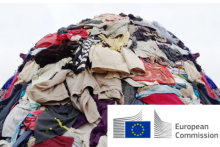
The European Commission has just adopted new measures to prevent the destruction of unsold apparel, clothing, accessories and footwear and so curb the resulting mountain of waste. See what the measures entail!
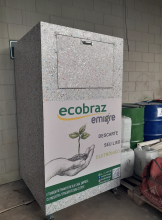
Through this programme, companies can sponsor the local collection and proper sorting of e-waste. This enables EU-based companies operating in Brazil to meet their sustainability obligations.
This report aims to provide a diagnostic to underpin the Clean Industrial Deal and the Single Market Strategy. It responds to calls from businesses to prioritise competitiveness.
The circular economy is identified as one of the keys to making the EU more competitive. The report looks at the barriers to this transition, such the higher cost of secondary raw materials, the difficulty of scaling up and replicating solutions in a fragmented market and diverging national regulatory frameworks which hinder the development of enhanced supply chains and discourage upscaling innovative recycling facilities.
The Critical Raw Materials Act and Ecodesign for Sustainable Products Regulation will enhance conditions for circular business models and the circular transition needs to pick up the pace.
The Circular Economy Show Podcast looks at the various aspects of the circular economy and the people driving it. There are over 200 episodes so far, covering a huge range of issues.
The transition to a circular economy in the textile and apparel value chain is an opportunity to address the environmental challenges facing the industry. However, without a strong focus on social justice, this transition risks perpetuating poor working conditions, gender inequality and vulnerability for workers, particularly in low-wage, labour-intensive roles.
This policy brief identifies five key recommendations for policymakers:
Align circular economy goals with just transition principles
Identify and protect vulnerable populations
Address income disparity and strengthen labour regulations
Enhance participatory mechanisms and access to justice
Implement restorative mechanisms and support reskilling initiatives