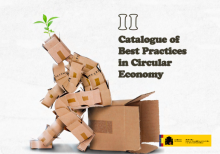
This publication describes a wide range of Spanish businesses which are run on circular principles. The goal is to encourage the shift to a circular economy.
BUILD UP, the European portal for energy efficiency and renewable energy in buildings, is hosting the fourth in a series of six webinars organised with the CircularB COST Action project. This one will focus on Building Design Teams and Building Users, Facility Managers and Owners.
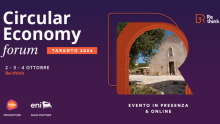
Re-think Taranto 2024 will explore macro-trends, possible evolutionary paths and key circular economy projects at local, national and international level.
The event will focus on Energy transition and sustainable mobility, Water management and the blue economy and Using materials and waste.
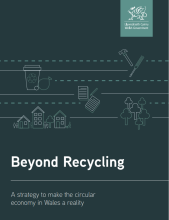
This strategic plan is about making the circular economy in Wales a reality.
The Welsh Government set out their commitment to use the powers and levers available to them to accelerate the transition to a circular, low-carbon economy. Wales is already doing well in terms of recycling, but further efforts are needed. The strategy recognises that resource use is key, and states that a circular economy is a critical element of a green and just recovery because it will reduce consumption and prevent waste.
The strategy lists 8 headline actions for delivering a circular economy in Wales, from helping Welsh businesses reduce their carbon footprint by becoming more resource efficient to phasing out unnecessary single-use items, especially plastic.
Wales (Cymru in Welsh) will be hosting the 2024 European Circular Economy Hotspot: Circular Economy Hotspot Cymru in Cardiff on 7 - 9 October.
This summit will be an opportunity to find out about Wales' circular economy achievements and aspirations, and learn about circular economy solutions from the public sector, private sector and communities from Wales and beyond. Participants will be able to engage with Welsh projects across industry, business, public bodies, academia, and towns and cities.
There will be global circular economy innovators, leaders and thinkers, so it's a good chance to forge links and network.