The textiles sector needs to become more circular, and traceability of components across the supply chain, transparency of information, and reliable data for circular business models are the cornerstones of this process.
The Delegated Act for Textiles under the Ecodesign for Sustainable Products Regulation is being prepared and will shape the Digital Product Passport in the textiles sector. The DPP must allow for the needs and capacities of actors throughout the supply chain in order to unlock circular business models and achieve the EU's environmental and social goals in the textile industry.
This policy brief gives an overview of the most pressing practical challenges facing these actors and provides actionable policy recommendations.
We're coming to the end of the year – and what a year it has been! Key legislation has been published, the ECESP has been involved in high-level events promoting the circular economy and its Coordination Group has been renewed.
The ECESP secretariat will be unavailable until 5 January - we look forward to hearing from you next year!
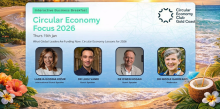
This interactive workshop will explore where investment, leadership and effort can deliver the greatest circular economy impact in 2026.
With four panellists including Ladeja Godina Košir, chair of the ECESP, it will look at the circular economy in real-world conditions, circular education programmes and how EU-Australia cooperation can drive on the circular economy.
The first horizontal call in support of the Clean Industrial Deal has just opened with a budget of EUR 540 million. Organised under the Horizon Europe 2026–2027 work programme, the call has two topics: Decarbonisation of energy-intensive industries and Clean technologies for climate action. See what each topic covers!
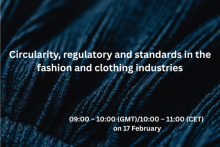
This webinar will explore the evolving regulatory and standards landscape that is reshaping the EU's fashion and clothing industry towards a circular economy. From the Ecodesign for Sustainable Products Regulation including Digital Product Passport and new Extended Producer Responsibility obligations to the practical role of international standards in achieving compliance, this session will provide essential insights into the critical changes ahead and the potential impact on SMEs.
The CircularPSP project (Public Service Platforms for Circular, Innovative and Resilient Municipalities through pre-commercial procurement) has now reached Phase III: the circular economy solutions developed by the two suppliers will be tested under real-world conditions.
Circular economy stakeholders are invited to attend a Follower Event where VCG/CircOS and CircularAI will demonstrate their solutions and present a detailed testing approach.
The suHCO project (Systemic Sustainability Transition Solution for Health Care Organisations through PCP) invites technology providers, SMEs, start-ups and research organisations working on AI, digital platforms and sustainability in health and care to join the international Open Market Consultation of this Horizon Europe PCP project. This online event will present the project goals, the tender process and the functional needs of the solution that the project plans to procure.
CE-PRINCE (Central Europe Green PRocurement and Innovation Network for Circular Economy) is an Interreg Central Europe project. It aims to standardise circular procurement approaches across central European countries and industries.