Fibenol transforms forestry and wood industry residues into sustainable biomaterials used in the biomaterials and biofuels, packaging, construction, and food, feed and pharmaceuticals industries.
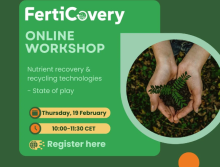
The FertiCovery project focuses on nutrient recovery and the production of fertilisers from biowaste, manure and wastewater.
This workshop will bring together project partners and stakeholders to review, discuss and validate the final list of indicators which will serve as the basis for benchmarking nutrient recycling and biobased fertiliser production technologies.
REkrabička offers a returnable packaging system designed for restaurants, cafés and canteens. Their sturdy reusable food and drink containers can be used 400 times, replacing 400 single-use items.
Eco Bio® Croatia has developed an innovative biopolymer made from fruit and vegetable waste. It is an environmentally-friendly, non-toxic alternative to single-use flexible plastic which can be composted at home.
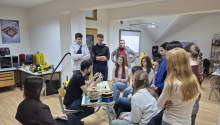
Learn how to turn waste into valuable creations - and then how to sell them! This course aims to equip young people with practical skills for the circular economy and upcycling.
Cupffee cups are designed to replace single-use plastic and paper ones. They are made from plant-based material and using a zero-waste production process.
The Makerspace Garage Association in Mostar has been active for a few years now. Having built up an impressive array of skills and modern technologies, the association decided to make what they do available to everyone in the city of Mostar. Result: thefirst Repair Café in Bosnia and Herzegovina and the wider Western Balkan region!
This Nordic Track session will give key insights from the Circular Build Forum, provide an overview of the Nordic Circular Construction project and launch the Nordic Community for Circular Construction.
Learn how the Nordic Circular Construction project intends to scale commercially viable circular construction solutions across the Nordic markets!
A new EU-funded project has been launched to develop a deposit-return system for used textiles across Europe. Known as TexMat, the initiative will reward consumers for returning reusable and recyclable items, while notifying producers when discarded textiles require waste management.
This exclusive briefing and networking event will provide an overview of the current situation and challenges related to war debris and hazardous waste management in Ukraine and highlight investment and business opportunities for companies and stakeholders interested in contributing to Ukraine’s circular recovery and reconstruction.