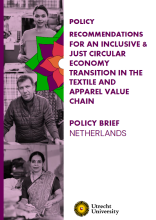
The transition to a circular economy in the textile and apparel value chain is an opportunity to address the environmental challenges facing the industry. However, without a strong focus on social justice, this transition risks perpetuating poor working conditions, gender inequality and vulnerability for workers, particularly in low-wage, labour-intensive roles.
This policy brief identifies five key recommendations for policymakers:
Align circular economy goals with just transition principles
Identify and protect vulnerable populations
Address income disparity and strengthen labour regulations
Enhance participatory mechanisms and access to justice
Implement restorative mechanisms and support reskilling initiatives
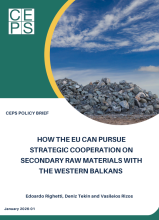
Europe’s green and digital transitions are increasing demand for CRMs, just as geopolitical risks and trade tensions are reshaping global supply chains. The EU has been taking steps to secure and diversify supplies by building strategic partnerships with resource-rich countries, which includes recovering CRMs from mine waste and tailings.
The Western Balkans region is a natural partner: they are integrated into EU markets and transport networks and have a legacy of old industrial sites and mine tailings.
This study recommends mapping mining waste, linking local actors more closely to EU instruments and initiatives, and using the EU accession process to advance regulatory and administrative alignment on mining, waste management and water protection with the EU acquis.
"La Fresque de l'Economie Circulaire" is an NGO based in France which raises awareness about the green transition in general and the circular economy in particular.
It organises interactive workshops and 'train-the-trainer' sessions. The goal is to familiarise people with the limitations of the linear economy and levers for the circular economy.
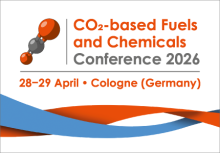
This event on 28 and 29 April will bring together international experts from industry, research and politics to discuss the latest developments in the use and utilisation of CO₂.
They're calling for applications for the Best CO2 Utilisation 2026 innovation award (deadline: 6 February) and posters (deadline: 20 March)!
This conference will bring together international experts from industry, research and politics to discuss the latest developments in the use and utilisation of CO₂.
As well as sessions and networking opportunities, there will be a trade exhibition, poster session and the Best CO2 Utilisation 2026 innovation award.
Apply for the innovation award by 6 February Call for posters: deadline is 20 March
Companies manufacturing materials, films, sheets, preforms, packaging, packaging machinery, recycling systems and packaging solutions that contribute to the development of the sector through sustainable innovations are invited to submit their applications for the MP2026 Awards. Deadline: 13 February!
The conference will explore how advanced AI tools and applications are accelerating the transition towards a circular and sustainable chemical and materials industry.
They are calling for posters: the deadline is 28 January!
The conference will explore how advanced AI tools and applications are accelerating the transition towards a circular and sustainable chemical and materials industry.
This side session will introduce the EU Textiles Ecosystem Platform, a European Commission initiative designed to support stakeholders across the textiles ecosystem value chain. Find out what it is and how it works!