Flanders DC and Circular Flanders have developed a tool to guide fashion entrepreneurs through the basics of a more sustainable way of working. With this online platform they want to encourage the industry to steer clear of a linear system (take-make-waste) and to embrace a more circular approach instead (with a focus on durability and avoiding waste).
Between September 2021 and March 2022, the Circular Economy - Sustainable Competences for Youth project team conducted an online survey, reaching more than 200 young people aged 18-30 across Europe. These findings fed into data used to prepare recommendations advocating better inclusion and opportunities for young people regarding the transition towards a circular economy.
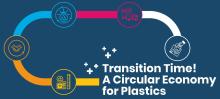
In its publication "Transition time! A circular economy for plastics", the Dutch Sustainable Growth Coalition sheds light on the challenges of plastic, shares innovative cases and makes specific recommendations on how to incentivise action.
Greece's Green Fund aims to enhance development by protecting the environment. It achieves this goal by managing and providing financial and technical support for programmes, measures, interventions and actions geared towards safeguarding and restoring the environment, with a view to supporting the country's environmental policy and serving the public and social interest.
Following the successful #EUCircularTalks events, EuroCommerce has prepared a Toolbox for Circular Packaging in the Retail sector. This Guidance aims to offer food for thought for retailers on how to improve the sustainability of their packaging.
In 2018, the National Institute for Circular Economy (INEC) launched an Operational Programme on Purchasing and Circular Economy, together with the Métropole du Grand Paris and the Observatoire des Achats Responsables. Drawing on participants' experiences, these guidelines aim to guide private and public buyers through integrating the circular economy into their purchasing policies.
Available in seven languages, the Circulab toolbox has been tested and improved by hundreds of customers in many industrial sectors around the world since 2014.
These powerful tools make it possible to explore a context, map a business model with all its impacts, identify key stakeholders, and start generating circular and regenerative ideas under a systemic approach.
Guidance for evaluating waste prevention programmes provides guidelines and practical advice and highlights case studies to help all EEA member countries evaluate their waste prevention programmes.
Professor Rebecca Earley introduces a series of short films about the design tools produced at the Chelsea College of Arts research centre, and how to use them to become a more sustainable and circular designer. The series aims to help designers access and use the research resources to stay inspired and motivated to design better futures.