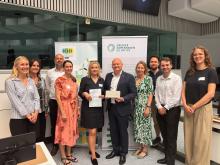
On 10 June, the EU's MEP Group on Climate Change, Biodiversity & Sustainable Development held a meeting on Navigating the Circular Economy Act: Implications and opportunities for a sustainable EU.
Speakers discussed what the CEA aims to achieve and what gaps need to be addressed.
This year, the World Circular Economy Forum (WCEF) will be held in South Asia – specifically in Gandhinagar, Gujarat, India.
The theme will be Circular economy: Transition for people and prosperity, engaging communities and businesses all over the world to build a successful future together.
This year, the World Circular Economy Forum will be held in Gandhinagar, India, and the theme is Circular economy: Transition for people and prosperity.
The call for accelerator sessions is now open: apply by 23 June!
Circular Week is an international series of events and initiatives dedicated to the circular economy and sustainable development, with events organised in Aachen, Wuppertal, Warsaw and partner cities across Poland.
This year, it will be organised for the first time as a joint German–Polish initiative, strengthening international cooperation and knowledge exchange.
Climate change, pollution and biodiversity loss are combining to form an urgent global challenge. However, just like the crises themselves, the solutions to them are interconnected. In this briefing paper, Circular Flanders explores how the circular economy can contribute to protecting and restoring biodiversity.
You will discover why biodiversity is essential for our economy and well-being, how our current production and consumption system puts nature under pressure, and what role circular strategies can play in reversing this trend.
From reduced resource use and smarter design to regenerative production and new value models, this paper offers insight, inspiration and practical starting points.
This EU Green Week 2026 partner event will bring together exemplary initiatives and projects from across Europe which are reimagining value chains and demonstrating novel circular systemic solutions.
What would it take to turn resale and repair into a source of economic growth that uses fewer resources, produces fewer emissions and creates more local jobs?
That's the question at the heart of this new report. It demonstrates how a targeted mix of policy incentives could lift gross margins to 55% for resale and 41% for repair. It covers three policy shifts:
reducing VAT/sales tax on secondhand goods and on repair services
lowering labour taxes for jobs in resale and repair
Extended Producer Responsibility
The report focuses on existing levers that governments can pull, not new frameworks to invent. Together, they improve margins per unit, reduce labour costs and ensure producers pay more of the true costs of linear production, giving resale and repair the conditions they need to scale.
This webinar will explore what is needed to scale up the circular economy in Europe, how it can be financed, and what can be done to ensure a just transition.
Recycling Europe's flagship annual gathering is a central meeting point for the entire recycling value chain.
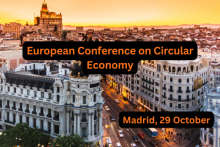
This year’s conference will focus on one central question: how do we deliver circularity in practice? Discussions will explore the policy, market and industrial conditions needed to turn Europe’s circular ambitions into measurable results across value chains.
In this document, Recycling Europe outlines its “DOs and DON’Ts” for the upcoming CEA, presenting key policy recommendations that can stimulate demand for high-quality recycled materials, expand recycling capacity and identify measures that could, conversely, undermine the competitiveness of the recycling industry by restricting the recycled materials market or increasing administrative burdens.