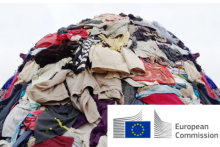
The European Commission has just adopted new measures to prevent the destruction of unsold apparel, clothing, accessories and footwear and so curb the resulting mountain of waste. See what the measures entail!
With the work programme for this mandate approved, we now have the list of ECESP leadership groups! Read all about what they will be focusing on and what they aim to achieve.
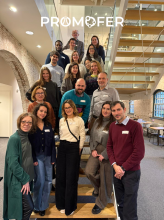
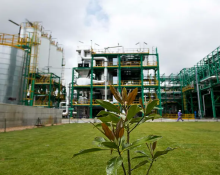
The PROMOFER project aims to produce circular biobased products for use in the agriculture, packaging and textiles sectors from low value, renewable feedstocks (specifically starches, whey permeate, industrial wastewater, rice straw, wheat straw and prune waste). They've just taken stock of progress to date!
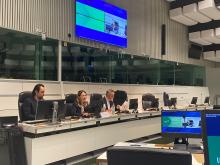
On 29 January, the European Committee of the Regions hosted Municipal Waste Europe for a partnership event on textile waste, taking stock of the first year of mandatory separate collection of textile waste in the EU.
Speakers discussed challenges on the supply and demand sides, along with the role of policy. Read all about it!
This report aims to provide a diagnostic to underpin the Clean Industrial Deal and the Single Market Strategy. It responds to calls from businesses to prioritise competitiveness.
The circular economy is identified as one of the keys to making the EU more competitive. The report looks at the barriers to this transition, such the higher cost of secondary raw materials, the difficulty of scaling up and replicating solutions in a fragmented market and diverging national regulatory frameworks which hinder the development of enhanced supply chains and discourage upscaling innovative recycling facilities.
The Critical Raw Materials Act and Ecodesign for Sustainable Products Regulation will enhance conditions for circular business models and the circular transition needs to pick up the pace.
RUNFASTER4EU is a new Horizon Europe Innovation Action which aims to show that it is possible to use unproductive, polluted or otherwise unused land to grow crops as feedstock for biobased products. This approach does not take land away from food or feed production while supporting the EU's bioeconomy.
From a circular economy perspective, maintaining most of a building's structure is preferable to building a new one.
Repurposing offices into housing can expand affordable supply in high-demand areas while supporting inclusion and climate objectives.
This report aims to inform policymaking by exploring examples from various EU regions and identifying regulatory, technical, financial and social aspects that enable successful conversions of offices to affordable housing. It also highlights the multiple benefits of repurposing non-residential buildings into housing and provides insights into essential measures for scaling up such initiatives.
Find out about a new EU-funded project! MARMADE aims to use crustacean residues and seaweed as the raw material to produce sustainable, high-value food and feed ingredients.
The Access Economy Alliance promotes the sharing economy: the concept that you don't need to buy something if you're only going to use it a few times.
It aims to develop the network of sharing stations, self-service lockers where you can go to borrow everyday items, from DIY tools to sports equipment. It is also a forum where access economy practitioners can engage in strategic discussions, meet other organisations in the field, learn from experts and contribute to access economy innovations.
Public authorities, businesses and researchers come together to accelerate Europe’s transition to a circular economy through access-based services.
The Alliance is supported by the EU through the Digital Kiosks project which is piloting 22 new sharing stations across Europe.