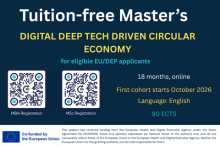
3D-CIRCULAR is building degrees to train professionals to understand material flows and governance and work with the data infrastructure, AI and traceability systems.
The project will run until July 2029, and three master's degrees are already available. The first intake will start in October 2026; apply by 25 September!
This webinar will explore the latest developments in the Digital Product Passport and what they mean for the fashion and textile sector, with a particular focus on SMEs.
This investor workshop will focus on accelerating market uptake of circular innovations contributing to cleaner environments, pollution reduction and resource efficiency.
Using the NYMPHE project as a practical case study, it will generate transferable lessons applicable to other Horizon Europe initiatives developing environmental technologies.
AKT-Origins is a Rotterdam-based company developing a Digital Product Passport platform.
ORIGINS is geared to the needs of SMEs and enables companies to provide the information required on what the product is made of, where it came from, how to keep it in use, and what should happen to it at end of life without publishing sensitive information.
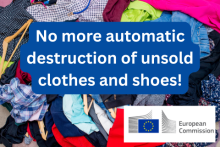
From 19 July, large companies may no longer destroy clothes and shoes which are cluttering up their shops and warehouses. Instead, they must donate them or reuse them in some way.
REBATTEX is a platform which creates the right conditions for stakeholders to buy and sell used electric vehicle batteries.
Each battery is listed with all the information that a potential buyer needs to make an informed choice. As a result, all of a battery's useful life can be exploited before it is recycled.
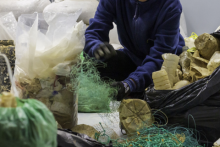
Marine waste in deep-sea environments degrades sharply, making mechanical recycling difficult. The OCEANZYME project is investigating new enzyme-based recycling solutions.
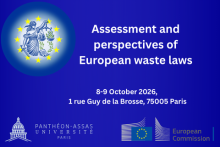
This international colloquium will mark the fiftieth anniversary of the first European Waste Framework Directive, Directive 75/442/EEC of 15 July 1975. It will bring together researchers, practitioners, jurists and decision-makers to take stock of this policy and reflect on its future.
The European Commission has launched the Digital Product Passport Registry together with a testing environment. The Registry will support products covered by the Ecodesign for Sustainable Products Regulation and other EU legislation requiring Digital Product Passport registration.
All DPPs must be registered: the new DPP website provides information about the process!
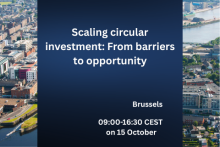
Investors, circular entrepreneurs, city and regional representatives, policymakers and incubators will come together to focus on one central question: what is still preventing circular businesses from scaling in Europe — and what practical changes are needed to close the gap!