NAFIGATE’s Hydal Biotechnology uses waste cooking oil to produce a fully biodegradable and biocompatible PHA biopolymer named Hydal (Polyhydroxyalcanoates). This is the first biopolymer of its kind being produced on an industrial scale at an affordable price.
MaterialDistrict is a match-making platform in the field of innovative materials, connecting material manufacturers and distributors with creative professionals and providing designers with information about materials.
The categories of materials are:
Plastics
Other naturals
Wood
Metals
Glass
Coatings
Ceramics
Concretes
Natural stones
There are listings for each material, with tags such as "biobased" or "recycling", making it very easy to find a circular material. Manufacturers and suppliers can promote and sell their goods, and creative professionals can look for the material that is right for their project.
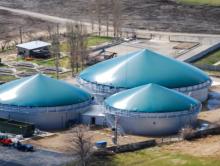
Genesis Biopartner collects organic waste from catering businesses, the agrifood industry and retail and converts it into biogas and then into green energy and fertiliser.
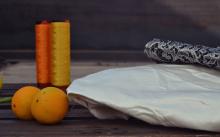
Orange Fiber has closed the loop on orange waste by patenting a technique to turn the cellulose fibre in citrus waste into a fabric which is suitable for the fashion industry.
Composting is the most natural method for creating fertilisers, but not many people use it as it's a slow and complex process.
To encourage composting, Compastor Technology has bred a genuine composting worm. When this worm is combined with a compost inoculant, green and organic waste is turned into fertiliser quickly and efficiently.
Favini produces various lines of high-quality paper. Each is made with secondary raw materials which give the paper specific characteristics: the Remake line reuses pulp from discarded residue from leather manufacturing, which gives the paper a particularly soft feel.
Examining the role of selective waste collection in a CE by focusing on two different waste streams (plastics and bio-waste) while also granting consideration to the future of highly selective collection streams.