This case study is a part of the MBB LIFE+ Investing in Water project. APS Bank decided to invest in a holistic on-site water conservation programme. The aim of the programme was to put the bank’s sustainability policy into practice, reduce operational costs and help conserve scarce national resources.
The Business Action Group was created with the aim of transposing the latest international trends, generating further knowledge and collaborating with the public administration regarding potential circular economy national strategies.
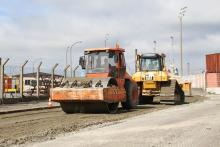
Contaminated sediment from the Port of Dunkirk has been re-used in road structures since 2002, when the Port started to cooperate with the Ecole des Mines de Douai and various industrial partners in order to design alternative materials for stabilised sub-base road layers.
The BlueCity business park is one of Rotterdam's unique landmarks: formerly a water park resort, the complex is now a circular incubator housing over 30 startups experimenting towards a sustainable future.
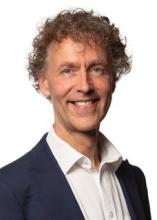
Arthur ten Wolde is the Executive Director of Ecopreneur.eu, the European Sustainable Business Federation. Ecopreneur represents about 3000 businesses in five Member States, mostly SMEs, which strive to deliver sustainable products and services. Arthur is internationally recognised as a circular economy expert, motivational speaker and (co-)author of several reports and many articles in magazines.
In addition, he is Trainer on Circular Design for CIRCO and Head and Owner of Circular Future. Arthur worked earlier for De Groene Zaak, IMSA and the Dutch Industry Confederation VNO-NCW.
Compacting expanded polystyrene results in lower storage and transportation costs prior to recycling. The Italian Association for Expanded Polystyrene operates a compaction plant which member firms can use.