For many years, buying new was financially and logistically easier than repair. This resulted in large amounts of waste and used up resources at an impressive and unnecessary rate.
The circular transition cannot success unless it works for and with people.
You don't need to reinvent the wheel though. Across Europe, local authorities are building on existing initiatives, networks and community energy to connect social and circular objectives in practical ways.
This workshop will explore what those approaches look like in practice.
Relevant, reliable information drives stronger circular policies – but it's not so easy to identify what information you need and what data will help you make the right decisions.
This webinar will explore practical approaches to circular economy monitoring.
REvive Alhaurín puts the circular economy into action at community level.
It encourages local people to opt for repairing and sharing items rather than buying new ones, and provides useful advice on how to be a more responsible consumer.
AKT-Origins is a Rotterdam-based company developing a Digital Product Passport platform.
ORIGINS is geared to the needs of SMEs and enables companies to provide the information required on what the product is made of, where it came from, how to keep it in use, and what should happen to it at end of life without publishing sensitive information.
By bringing together businesses, public administrations, knowledge centres and civil society, connecting knowledge and capabilities, mobilising projects and supporting partnerships, reN helps translate strategy into viable, collaborative and scalable initiatives.
reN aims to accelerate the transition towards a circular tourism system and generate knowledge and experience that can inspire other island and tourism destinations.
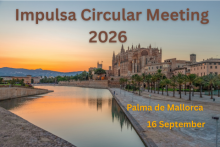
This meeting will mark an important milestone in the Balearic Islands' circular transition by launching reN · Balear Circular Hub, a collaborative platform designed to connect organisations, share knowledge and foster initiatives that create a positive impact across the archipelago.
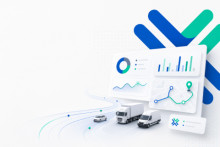
Renting a vehicle rather than buying one is a circular-economy lever in mobility: it lets more users share the same asset, maximising the resources consumed.
A good digital rental management tool makes vehicle use even more efficient, minimising wasted resources and extending the vehicle's lifecycle.
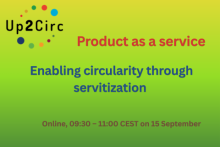
This webinar will explore how Product-as-a-Service business models can accelerate the transition toward a circular economy by shifting value creation from product sales to long-term service provision.