CIMPA, an EU-funded H2020 project, aimed to develop a recycling chain for post-industrial and post-consumer multilayer films from food and agricultural applications. This complex approach combines innovative compositional sorting, mechanical and physical recycling and an advanced decontamination process.
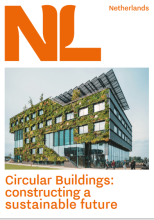
Circular Buildings: constructing a sustainable future: a new brochure which explores how the circular economy can help tackle challenges in the resource-intensive building sector.
Circular Buildings: constructing a sustainable future is the latest addition to a series of publications from Holland Circular Hotspot about circular challenges and opportunities in different sectors including infrastructure, plastics, manufacturing and textiles and apparel industries.
It explores how circular economy concepts can help tackle challenges in the building sector, supporting the transition towards a more sustainable and futureproof industry. It provides 25 good practices from the construction value chain and offers a framework for an international shift towards circular construction comprising policies, measurement standards, collaboration initiatives and knowledge exchange.
The consortium CIRCULAR FoodPack worked on solutions to enable the circular use of plastic packaging, focusing on the most sensitive product category: food. The project aimed to develop recyclable packaging with at least 50% post-consumer recyclates incorporated behind a functional barrier.
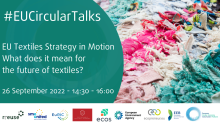
In March 2022, the European Commission released its EU strategy for sustainable and circular textiles in the Circular Economy Action Plan framework. The strategy aims at setting a framework to boost the competitiveness, sustainability and resilience of the EU textile sector.
Six months after its release, where do we stand? Join the ECESP leadership group on Textile and all speakers during this #EUCircularTalks event on 26 September, from 14:30 - 16:00 CEST, to discuss the EU textile strategy, its implementation and vision for the current textile industry.
Small Scale Actions (SSA) are a new element introduced for this round of URBACT action planning networks (2019-2022). This compendium summarises all of the SSAs carried out within the Resourceful Cities Network. It aims to support and inspire other cities which want to accelerate their circular transition.
A wide range of SSAs were carried out by Resourceful Cities partners, each one responding to an identified need within the individual city context. Actions included promoting citizen engagement and participation, enhancing knowledge and raising awareness of the circular economy, business support, data collection and monitoring and trialling new business models.
Coffeefrom is an innovative project from Italy. It recovers coffee grounds from the food industry and blends them with biopolymers to form a new bio-based material that is a durable and resistant alternative to single-use plastic.
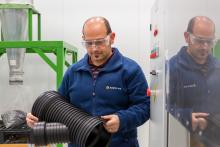
The LIFE CIRC-ELV project has developed a new process for managing end-of-life vehicles to recover bumpers and fuel tanks, recycle the materials and use them to manufacture pipes and new parts for vehicles. Using this recycled plastic in products from this industry and others will help reduce the carbon footprint by 85%.