Circular ReBoundary is an initiative set up as part of the EU CircEUlar project focusing on developing circular pathways for an EU low-carbon transition. It provides information useful forprofessionals interested in circular economy practices. It is particularly relevant for the buildings, mobility and manufacturing sectors, but the rebound effects and stakeholder testimonials sections offer insights applicable across all industries.
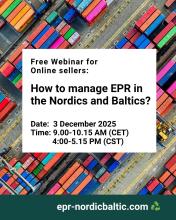
This webinar, tailored for distance sellers, will present the latest EU regulations and provide a comprehensive overview of EPR obligations and guide you through the necessary steps to ensure compliance.
Circular ReBoundary is intended for professionals interested in circular economy practices. It is particularly relevant for the buildings, mobility and manufacturing sectors, but the rebound effects and stakeholder testimonials sections offer insights applicable across all industries.
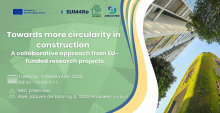
In addition to fruitful discussions, this event will feature a series of interactive workshops fostering dialogue between policymakers, researchers and industry representatives. The three workshops will explore key governance challenges surrounding DPP data management, data models, interoperability and policy compliance, along with DPP policies that affect the economics of green solutions.
If you sell products online to consumers in the Nordic and Baltic countries, you must fulfill a legal obligation known as Extended Producer Responsibility (EPR). This means you must manage the waste your products create. To help you understand these rules, national EPR authorities have launched a website with more information.
This webinar will explore the international used clothing trade.
It will present the report on From Collection of Used Clothes in Sweden to Reuse in Kenya: A Case Study of Humana LT’s Value Chain for Second-Hand Clothes and look at the economic and environmental value of second-hand clothing exports and how policy can best support circular textile flows.
The workshop will bring together EU policymakers, researchers and construction stakeholders to explore how innovative materials, digital technologies and reuse strategies can together advance circularity in Europe’s built environment.
It aims to mirror the circular lifecycle of materials, from innovation and data acquisition to reuse and regeneration, and show how circular economy principles can be embedded into the construction sector.
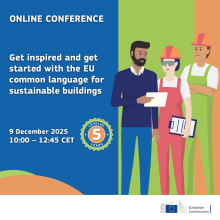
The European Commission's Directorate-General for the Environment invites professionals in the built environment sector to join an online conference marking the fifth anniversary of Level(s): the EU common language for assessing and measuring the sustainability performance of buildings.
Find out how it works and what training materials are available to help you!
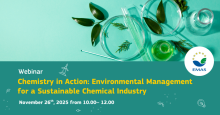
This webinar will explore the opportunities and challenges of environmental management for all organisations connected to chemical risks. It will focus on the regulatory context and practical strategies for implementing EMAS, the EU Eco-Management and Audit Scheme.
Participants will see how compliance with EU environmental policies can become a driver of innovation, competitiveness and long-term value creation. They will also hear practical insights and success stories from EMAS-registered organisations on reducing environmental impact and adopting circular processes.
Find out about Green Assist, the EU's Green Advisory Service for Sustainable Investments Support. It aims to build up a pipeline for high-impact green investment projects targeting sectors of the natural capital and circular economy, along with non-environmental sectors.
Learn how Green Assist can help you, hear success stories from supported projects and find out how to apply!