The Circularity Gap Report Finance offers a global overview of known investments in businesses engaging with the circular economy over the six-year period between 2018 and 2023. By creating a clear snapshot of circular economy investment volumes, it aims to improve circular economy financial reporting, support impactful capital allocations to the circular economy and inform impactful investment decisions.
This report is intended primarily for financial market participants, financial sector regulators and policymakers - as well as anyone interested in reading about how the circular economy and finance come together.
While circular economy practices offer substantial environmental and economic benefits along with local job creation, their implementation requires significant adjustments in working conditions and practices.
This briefing dives into two of the circular building pathways identified as having high social impacts in the Circular Buildings Coalition’s 2024 Four Pathways Report: 1) Build with the Right Materials; and 2) Build Nothing.
These pathways are explored, along with their regulatory and market-level drivers, barriers and the measures needed to safeguard workers.
The DEFINITE-CCRI Circularity Tool is designed to enable project leads to evaluate their own ventures, learn the necessary steps to bring it to bankability and understand how best to approach investors for capital deployment.
There is also a guidebook if you prefer a text version to the online tool.
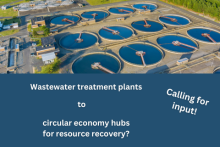
The ReLEAF and UPSTREAM projects are keen to promote the transition of wastewater treatment plants into circular economy hubs for resource recovery. They're asking for input.
The Commission has launched a consultation on harmonising the classification of certain waste types (“green-listed” waste) to facilitate their shipments across borders. It's open until 31 October and aims to gather input from a range of stakeholders on waste streams to be addressed. Let them know what you think!
STICA Climate Action Week 2025 took place just last month - and the interviews with various stakeholders which were released during it are now available. From the impact of climate change on workers to circular textiles made from waste, you're sure to find some in line with your area of interest!
Characterisation techniques are essential in the plastics sector, as they ensure quality, reliability and safety, promote sustainability and minimise manufacturing risks. AIMPLAS will therefore host the second international seminar on plastics characterisation (CHARPLAST), bringing together international experts to address the main challenges and advances in this field.