The Automotive Circularity Platform (ACP) is a pilot open ecosystem linking collectors of end-of-life automotive materials with users of high-quality secondary materials. It enhances transparency, enables efficient material separation and supports open-market trading.
As a technical enabler for automotive end-of-life recycling, it will support the implementation of the End-of-Life Regulation and drives recycling, regulatory compliance and supply chain resilience.
This highly theoretical research paper aims to map out ways and means to build a body of knowledge on the process of regeneration and the ways in which regenerative circular economies may function.
Ultimately, it finds that if stakeholders are willing to follow a bio-inspired approach for co-investing resources, time and planning while considering specific system characteristics and the underlying contexts, then small changes in governance, behavioural patterns and technology improvement may contribute substantially to the development of regenerative circular economies.
The Center for Circular Economy in Coffee (C4CEC) is the first precompetitive platform for enhancing the circular economy in the coffee sector.
Coffee production generates substantial biomass at every stage. Instead of becoming waste, this biomass can be turned into valuable products using circular and regenerative agricultural practices. Every part of the coffee plant, from the cherry's skin to the spent grounds, contains unique compounds that are suitable for various industrial applications.
C4CEC aims to make know-how related to circularity in the coffee sector accessible to a diverse group of stakeholders. It will enhance the environmental, social, cultural and economic sustainability of the coffee value circle and offers customised member support for developing ideas.
Stokarti supports the circular economy by helping businesses sell surplus assets instead of discarding them.
Their digital B2B platform connects companies from different industries and countries, making it easier to exchange technical materials and reduce waste. By finding new buyers for parts lying on the shelves, Stokarti helps extend the life of valuable assets.
The Festival of Circular Economy is an opportunity to make connections, translate theory into positive, practical action, celebrate successes, learn from mistakes and help others avoid them, and make a difference by thinking and doing things differently.
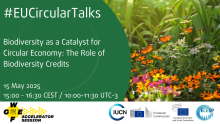
This WCEF2025 accelerator session explored innovative mechanisms for enhancing and protecting natural ecosystems, in accordance with COP16 commitments and global sustainability goals.
This accelerator session will explore innovative leadership and collaborative models driving circular economy transitions, featuring insights from both European and Brazilian pioneers.
With real-world case studies from the European Circular Economy Stakeholder Platform and Brazilian initiatives, the discussion will highlight strategies for scaling circular solutions through inclusive and dynamic leadership.
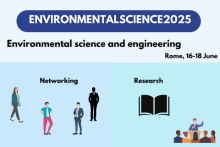
The Global Summit on Environmental Science and Engineering will present the most recent developments in this field, with highly cited researchers, industrial leaders and exhibitors sharing their research. The sessions will cover topics such as waste-to-energy conversion, landfill management and waste management.
Join the Global Green Action Day initiative tackling plastic pollution through collaboration, innovation and action.
Held in support of UN World Environment Day on 5 June, this initiative has a twist: because this is a complex challenge, you can only participate if you have completed the online training, which includes lessons, expert panels, guest talks and webinars.
The European Training Foundation has launched the fifth Green Skills Award, an annual competition designed to provide ideas and inspiration for policy makers and practitioners on how things can be done when it comes to green skills deployment and promoting sustainability.