Italian fashion retailer OVS has adopted a Circularity Index, which allows to measure the water usage and recyclability potential of its clothes collections.
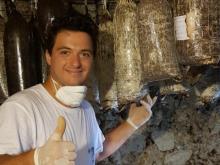
Coffee grounds contain many nutrients which are excellent for growing mushrooms. This secondary raw material is even ready for use, having been sterilised at 80 to 90°C by the coffee machine. What's left once the mushrooms have been collected is a good fertiliser.
The URBIOFIN project aimed to demonstrate the techno-economic and environmental viability of an integrated and innovative biorefinery for the transformation of the organic fraction of municipal solid wasteinto new marketable bioproducts, chemical building blocks, biopolymers and additives for different markets like agriculture and cosmetics.
Leadax uses high-tech material and production knowledge to develop and manufacture 100% circular materials out of discarded PVB for waterproofing buildings.
Schijvens has been producing corporate uniforms for more than 150 years now. In 2017, they began collecting customers' old clothing, shredding it and mixing the textile fibres with shredded PET-polyester ones from sportswear, fishing nets and bottles. This led to 100% recycled yarn, which is used to make new fabrics and ultimately new uniforms.
BE O Lifestyle is a Dutch company which has developed two forms of plant-based plastic. They manufacture water bottles and coffee cups from sugar cane residue and used vegetable oil. These products are reusable, repairable and recyclable - and nice to look at!