Tarpaper Recycling is a recycling specialist minimising the environmental impacts of construction waste. It has developed a patented method to recycle bitumen from roofing-felt waste by converting it into a material that can be used as a binder in asphalt production.
La Tête dans les Nuages gives a second chance to hot air balloons, advertising posters and polystyrene packaging, which would otherwise go to waste, by upcycling them into bean bags.
Reverse Resources is an Estonian company that offers an online “circular” solution that tracks and traces waste flows by connecting manufacturers, waste handlers, recyclers/spinners and brands on one platform by offering 360 degree transparency, data accuracy and real-time transactions on waste flows.
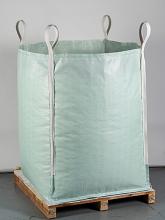
To create a circular economy for Flexible Intermediate Bulk Containers, Starlinger, a plastic packaging machinery and process technology engineering company from Austria, has simulated a closed loop for polypropylene - the main component of big bags- in cooperation with renowned big bag manufacturers Louis Blockx and LC Packaging.
At the intersection of science, design, and waste management, PuriFungi develops natural cleaning systems. PuriFungi's new product is an ashtray made of mycelium and cigarette butts.
Estonian leather goods maker Stella Soomlais has come up with an innovative bag design that enables old or damaged leather bags to be turned into new leather goods, with little leftover material.
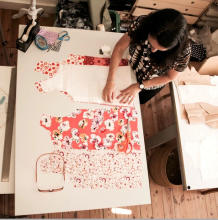
ISATIÓ was a Brussels SME that recovered samples from the textiles industry to create unique designer clothing, with manufacturing all done locally and the supply chain covered entirely by bicycle couriers.
Suckõrs is an Estonian company that uses reed growing naturally on the shores of Estonia to make reusable, biodegradable drinking straws and a new raw material for producing goods. Their products can be cleaned and reused multiple times and, once they have reached the end of their lifecycle, they will decompose naturally.