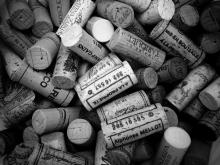
The Amorim Group is among the cork industry’s world leaders. It has a business unit focused on recycling, reusing, and reinventing the use of cork - alone or mixed with other raw materials - in the generation of new products and applications (construction, footwear, aerospace, railways, etc.).
The “Millor que nou” (Better than new) campaign is an initiative from the Barcelona Metropolitan Area (AMB) that started in 2009. It provides people with free support services and access to repair shops, so that they can learn how to repair appliances and objects.
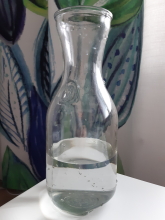
Mutualia, a social services and medical care provider in the Basque Country, Spain, has installed water fountains connected to the public water network to use tap water instead of buying bottled water.
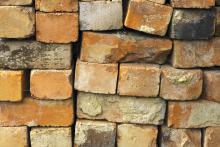
In 2018, Hjørring Municipality decided to embark on a pilot project to increase the recovery and recycling of bricks when procuring demolition services for two buildings at the end of their functional life. Once cleared, the sites were destinated to be a part of a new climate adaptation project including a new rainwater collection basin and a recreational area.
The city of Ludwigsburg in Germany has a sustainable development strategy that includes the use of procurement to achieve its sustainability goals, instructing all public procurement departments to follow “Cradle to Cradle”principles in their procurement and awarding criteria.
In 2018, the Croatian city of Koprivnica needed to replace a prefabricated kindergarten. Instead of demolishing the building entirely, Koprivnica opted for Green Public Procurement (GPP) and aimed to maintain as much of the physical structure as possible, while refurbishing and improving it.
Enhanced Landfill Mining (ELFM) of historic (and future) landfills is a key part of the solution for closing material loops. It addresses major societal challenges by recovering materials, energy and land. Machiels' ‘Closing the Circle’ project will be the first to put ELFM into practice.