REuse Economy Expo is a European trade fair that connects up players and solutions to co-construct and develop economic models for reuse.
With over 300 solutions, 70 conferences, masterclasses and workshops, and more than 3 000 expected visitors, this two-day event is designed to help organisations take steps towards integrating reuse in their operations.
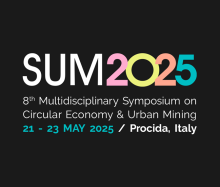
SUM 2025 aims to promote more continuous interaction and collaboration across fields, encouraging sustained, multidisciplinary dialogue and strategic partnerships.
The Circular Republic Festival 2025 (#CRF25) will focus on Build Your Competitive Advantage.
It will explore how circular practices can reshape industries and create resilience in the face of resource scarcity and climate challenges. There will be keynote addresses, hands-on workshops and tailored recommendations to help integrate circular principles into business strategies.
The Festival of Circular Economy is an opportunity to make connections, translate theory into positive, practical action, celebrate successes, learn from mistakes and help others avoid them, and make a difference by thinking and doing things differently.
On 21-22 May, Tondo will host Re-think Circular Economy Forum Milan 2025: two days of seminars, round tables and networking occasions on the circular economy.
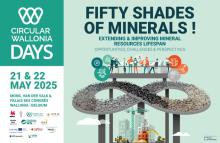
Circular Wallonia Days is a two-day event designed to connect up EU regional ecosystems involved in the value chain of eco-materials for construction. This year, it will focus on achieving strategic autonomy for construction materials.
This World Circular Economy Forum Side Event will explore the newly established Western Balkans Circular Economy Hub and its strategic focus and role in the region, vision and planned activities.
Hear from Elin Bergman, the top Swedish voice on circular economy topics and Nordic Hotspot Hub founder, as well as representatives of the Chambers of Commerce and their role in helping businesses in the circular transition.
The event will also showcase successful examples of companies from the region that operate with a circular business model or are implementing circular business practices.
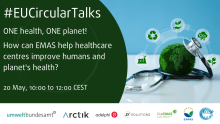
This webinar introduced the One Health concept and highlighted the interconnectedness of human, animal and environmental health.
It also explored the EU's Eco-Management and Audit Scheme (EMAS) and showed how it can help healthcare centres reduce their environmental impact and contribute to the circular economy.