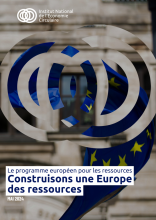
INEC, a leading think tank on issues related to the preservation of natural resources, has published its European Resource Programme.
It defines ways to preserve natural resources, focusing on six resources that will be crucial for energy, the economy and the environment: water, wood, li-ion batteries, permanent magnets, copper and building materials.
The Circular Economy package has merely resulted in measures targeting consumers rather than authorities. Positive initiatives such as the digital product passport aside, this vision of the circular economy is not sufficiently integrated into decarbonisation goals. INEC's realistic measures, the result of broad debate between stakeholders, aim to transform the economy and make it genuinely circular.
French regulations on the circular economy in the construction sector have evolved significantly in recent years. INEC and Altes Avocats have produced an accessible guide to help stakeholders apply those regulations and share best practices.
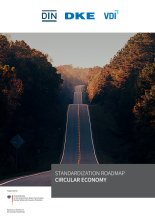
This Standardization Roadmap aims to provide an overview of the status quo of standardization in the field of the circular economy, to describe the requirements and challenges for seven key topics, and to identify possible needs for future standards and specifications.
Did you know that digital technologies can facilitate the circular economy?
Big data analysis and product-service systems are just some of the innovative tools making it easier to re-design products, pool resources and promote product longevity.
This video highlights some of the key benefits for circular economy stakeholders!
The 2025 Basque Circular Summit will be the largest event on the circular economy in southern Europe this year. It will analyse the challenges and opportunities posed by the circular economy for companies, society and the economy in the Basque Country and show what has already been achieved.
This publication contains the results of over 74 projects completed as part of the Circular Ecoinnovation Programme between 2017 and 2023. The programme, managed by Ihobe, the environmental management agency of the Basque Government’s Ministry for Economic Development, Sustainability and the Environment, drives ecodesign, circular economy demonstration and strategic ecoinnovation in Basque companies.
The market, commercial, economic, technical or environmental feasibility of each project has been graphically included in each datasheet.
See also the website listing all the Basque Country's circular solutions to date.