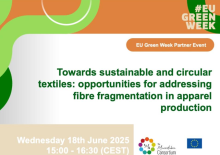
The Microfibre Consortium (TMC) is hosting a LinkedIn Live webinar in collaboration with EU Green Week. It will bring together experts from science, industry and policy to raise awareness about fibre fragment loss and release throughout the lifecycle of a product.
It has organised its operations in line with the principles of circular economy and industrial symbiosis in order to minimise inputs and waste while ensuring that the final product is tasty and healthy.
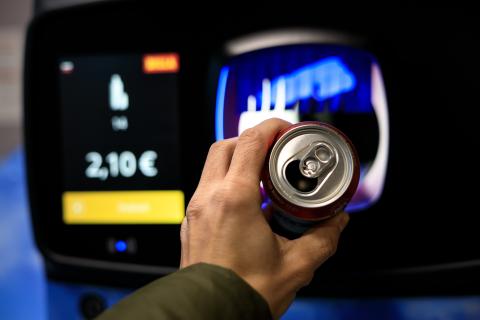
The European Deposit Return Systems Association (EDRSA) for beverage packaging was founded in 2025.
The objective is to advance best practices, policy development and collaboration in the field of deposit return systems (DRS) in Europe.
EDRSA aims to foster innovation, efficiency and environmental responsibility in DRS programmes by bringing together key players from across the industry, including system operators, policymakers, recyclers and technology providers. The association will serve as a platform for sharing expertise, advocating for effective legislation and driving improvements in circular economy initiatives.
The members of the Association operate in 15 EU Member States plus Iceland and Norway.
Companies can use IMERO's food compliance label service to ensure that their products are labelled properly. This means that consumers know what to do with recyclable packaging and recyclers know how to deal with it. The end result, of course, is less waste.
The co-chairs of the International Resource Panel have issued a call for action for 21st Century Global Materials Stewardship. They feel that international organisations need to become proactive stewards of sustainable material use and the circular economy. Agree? Then sign it!
Developing sustainable materials and utilizing recycled feedstock in material manufacturing requires a lot of laboratory testing to ensure that the new material meets functionality and safety standards. Measurlabs performs these tests!
The Plastics Technology Centre, AIMPLAS, is launching the AIMPLAS Challenge Forum. It will bring together international experts, companies, universities and research centres to address the significant challenges facing the plastics industry and explore innovative solutions through research and collaboration.
On 21-22 May, Tondo will host Re-think Circular Economy Forum Milan 2025: two days of seminars, round tables and networking occasions on the circular economy.
The PlastTalk webinar series brings together individuals interested in the circular economy of plastics. It highlights current phenomena and disseminates good circular economy practices. The speakers are researchers and experts in the circular economy, and each webinar features interesting circular economy actors and practical examples.
This webinar will explore one of the most crucial strategies for tackling plastic waste: reuse.