Beewraps by Malu is a food packaging material designed and produced by a Polish family company to replace food foil, aluminum foil or disposable plastic containers with a biodegradable and reusable alternative.
Vanheede Biomass Solutions processes packaged or unpackaged food items that, for various reasons, are no longer fit for human or animal consumption. Fermentable residue is gathered and processed at a bio-methanisation plant in order to generate green energy.
SOUJI is a liquid based on minerals and vegetables that, when mixed in the correct proportions with used cooking oil, and after shaking the mixture for 1 minute, becomes a cleaning agent/detergent which is 96% less polluting than a common detergent.
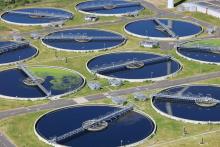
Remondis Acqua Group is a company specialising in systems for the production of high-quality water. They have developed new methods to protect raw materials and treat wastewater, with a new model of municipal sewerage treatment plant.
Mercado Organizado de Resíduos is a Portuguese online platform that can be used to trade different types of waste for recovery (with the exception of waste classified as hazardous by the general waste management scheme).
MOR provides the space for waste of all categories to be traded, whether for recovery or for disposal under the country's general waste management scheme. This includes transactions and exchange of by-products and recycled materials.
The Agência Portuguesa do Ambiente (Portuguese Environment Agency) has licensed MOR Online as the first integrated management platform in the waste market.
L&T organises the collection of waste oils, oil-contaminated water and a range of emulsions from industry. The collected materials are analysed and processed at L&T’s recycling plant.
The Royal Swedish Academy of Engineering Sciences (IVA) has issued a report on how to make the textile sector more sustainable. It provides proposals for a more resource-efficient and smart textile sector, covering topics such as challenges and definitions of solutions towards a smarter sector. It suggests, for instance, to introduce tax relief programmes and industrial parks for resource-efficient textile production.
This report is one of several sector reports from IVA project Resource Effectiveness and Circular Economy (ReCE). The purpose is to make Sweden more competitive in a future with finite resources in line with the UN’s Sustainable Development Goals.
The project has established platforms for dialogue between actors in the public and private sectors.