Italy's Puglia Region has large expanses of olive groves. Pruning these trees yields around 800 kilotonnes of residual biomass each year and Fiusis uses this biomass to produce energy.
Ristorazione Sostenibile 360° is the first voluntary certification programme for regional catering, suitable for any type of restaurant in the Emilia-Romagna Region (IT).
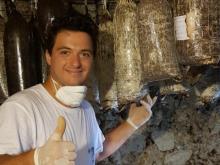
Coffee grounds contain many nutrients which are excellent for growing mushrooms. This secondary raw material is even ready for use, having been sterilised at 80 to 90°C by the coffee machine. What's left once the mushrooms have been collected is a good fertiliser.
Knjižnica alata is an initiative in Beli Manastir, Croatia, which was started seven years ago by Duško Kostić. This project is the only one of its kind in the country, and consists of a tool library where people can borrow the tools they need.
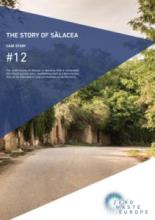
Romania’s recycling rate of 13% is one of the lowest in the EU with most waste going to landfill. The publication explains how the city of Sălacea, in the north-west of Romania, not only managed to quickly rise from almost no waste recycling to 40% in 3 months, but also how the community reduced its overall waste by 55%.
The case study also explains how political will, commitment from local waste operators and involvement of the community were key to the success of the strategy. The municipality introduced door-to-door household separate collection for 5 types of waste (paper and cardboard, plastic and metal, glass, bio-waste, residual waste) and implemented a four-week education programme with citizens before changing the collection infrastructure.