The Circular Intelligence (Intelligenza Circolare) event will be an international dialogue on two transformative levers of the circular economy: ecodesign and the potential of AI to enhance design, data management and the social and environmental impact of circular models.
The European Week of Regions and Cities (#EURegionsWeek) is a communication and networking platform fostering cooperation, exchanging knowledge and addressing regional and urban challenges. The motto for this year is Shaping tomorrow, together and some of the sessions and stands are geared to the circular economy.
The European Week of Regions and Cities (#EURegionsWeek) is a communication and networking platform fostering cooperation, exchanging knowledge and addressing regional and urban challenges. The motto for this year is Shaping tomorrow, together and some of the sessions and stands are geared to the circular economy.
Regional Innovation Valleys for Circular Economy will have a stand: come and learn about how the project aims to enhance the policy-making process and build capacities, competence and expertise for professionals related to the circular economy!
The EU-funded RECLAIM project aimed to develop low-cost, portable, easy to install and highly productive 'portable robotic Material Recovery Facilities' (prMRF), which will enable full material recovery anywhere, even in the most remote areas.
As its first real-world test, the project deployed the world's first AI-powered portable recycling plant in the island of Kefalonia in Greece, bringing on-site waste sorting to European islands and remote destinations.
The European Commission's Directorate-General for Internal Market, Industry, Entrepreneurship and SMEs has launched four surveys for specific groups of stakeholders on the Digital Product Passport (DPP). Your feedback will help them determine the feasibility of establishing a certification scheme to ensure compliance with these requirements.
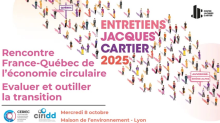
This conference will look at how to use data to drive the circular economy. More specifically, it will explore how to acquire data and how to analyse it once you've got it, with input from France and Québec.
This is a key event on waste management. 400 or so papers will be presented on issues such as waste policy and legislation and construction & demolition waste from disaster waste during various types of sessions, from Q&A sessions to practical design labs. Come and see what's being done in this field!
Leveraging waste wood as a sustainable resource is central to meeting Europe’s rising demand for wood-based products without compromising forests, biodiversity and the climate through virgin wood harvesting. To advance the circular economy and transform waste wood valorisation to meet future demand, digital product passports (DPPs) are an important digital tool for improving waste wood flows.
This CEPS In-Depth Analysis explores the challenges and opportunities for advancing waste wood valorisation and the circular economy using DPPs. After consulting with experts, some of the challenges and opportunities identified include data availability, access and integration, harmonised DPP content, limited stakeholder capacity and the costs of implementing DPPs.
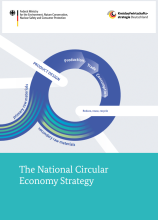
Germany's National Circular Economy Strategy adopts a strategic vision focused on reducing the consumption of primary raw materials. This approach is guided by the proposal from the International Resource Panel, under the United Nations Environment Programme (UNEP), which sets a global target of 6-8 tonnes of raw material consumption per capita per year by 2050.
The strategy considers every stage of the cycle: product design, material selection, production, maximising the use phase and, finally, reuse and recycling. It aims to prevent waste from being created in the first place. This can be achieved through smart product design, efficient manufacturing, extended product lifespans, easier repairability and maximising the recycling of all materials.