Reduce water use in Diageo's operations with a 40% improvement in water use efficiency in water stressed areas and 30% improvement across the company.
Other (Sustainable management of water)
To be achieved by:
Replenish more water than Diageo uses for their operations for all their sites in water-stressed areas by 2026.
Other (Sustainable management of water)
To be achieved by:
Invest in 150 projects to improve access to clean water, sanitation, and hygiene (WASH) in communities near Diageo sites and local sourcing areas in all of Diageo's water-stressed markets.
Other (Sustainable management of water)
Start Date:
Engage in collective action in all of their Priority Water Basins to improve water accessibility, availability and quality and contribute to a net positive water impact.
Recycling (also including specific waste streams)
To be achieved by:
Achieve zero waste in Diageo's direct operations and zero waste to landfill in Diageo's supply chain.
Recycled materials as part of raw materials demand (recycled content)
To be achieved by:
Ensure 100% of Diageo's packaging is widely recyclable (or reusable/compostable).
Recycled materials as part of raw materials demand (recycled content)
To be achieved by:
Continue to reduce packaging and increase recycled content in Diageo's packaging (delivering a 10% reduction in packaging weight + increasing the % recycled content of the packaging to 60%).
Recycled materials as part of raw materials demand (recycled content)
To be achieved by:
Ensure 100% of Diageo's plastics are designed to be widely recyclable (or reusable/compostable) by 2025 and achieve 40% recycled content in Diageo's plastic bottles by 2025, and 100% by 2030.
Other (Sustainable agriculture management)
To be achieved by:
Provide all of Diageo's local sourcing communities with agricultural skills and resources, building economic and environmental resilience (supporting 150,000 smallholder farmers).
Other (Sustainable agriculture management)
To be achieved by:
Develop regenerative agriculture pilot programmes in 5 key sourcing landscapes.
Other (Accelerate to a low carbon world)
To be achieved by:
Become Net Zero carbon in Diageo's direct operations.
Other (Accelerate to a low carbon world)
To be achieved by:
Reduce Diageo's value chain carbon emissions by 50%.
Other (Accelerate to a low carbon world)
To be achieved by:
Use 100% renewable electricity across all of Diageo's direct operations.
Society 2030: Spirit of Progress is Diageo's 10-year action plan to help create a more inclusive and sustainable world. This global leader in beverage alcohol has set itself 25 goals aligned to the UN's SDGs.
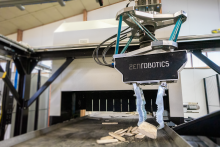
ZenRobotics has harnessed the power of artificial intelligence to improve the quality of waste sorting. ZenRobotics' AI-powered robot technology is used at its material recovery facilities (MRFs) to capture valuable high-purity materials from waste streams in construction and demolition, commerce and industry, and municipal solid waste.
All products (detergents and cosmetics) at Officina naturae are conceived to be safe and effective for humans and the environment in the name of sustainability, eco-design and circularity.
Renycle® is a product obtained from recycled nylon 6, a highly valued material because of its excellent resistance, dyeability, softness and versatility.
Greenful products are the first ones in the market that utilise textile, plastic and rubber waste from the construction industry on a large scale. The panels are made of shredded textile waste that has been pressed and bonded together using a proprietary manufacturing process and are designed to replace various types of wood-based construction panels.