REkrabička offers a returnable packaging system designed for restaurants, cafés and canteens. Their sturdy reusable food and drink containers can be used 400 times, replacing 400 single-use items.
Eco Bio® Croatia has developed an innovative biopolymer made from fruit and vegetable waste. It is an environmentally-friendly, non-toxic alternative to single-use flexible plastic which can be composted at home.
Cupffee cups are designed to replace single-use plastic and paper ones. They are made from plant-based material and using a zero-waste production process.
Brazil’s mining sector has underpinned national growth and is a major global supplier of iron ore, bauxite, niobium and copper. However, the linear model is producing declining ore grades, rising waste volumes and growing environmental and social pressures.
To remain competitive, Brazil must shift to a circular model. Strategies such as reprocessing tailings, recovering by-products, designing for reuse and establishing closed-loop partnerships can unlock significant economic and environmental value.
This report looks at circular solutions being implemented in the mining sector and how designing urban renewable energy systems for reuse will turn cities into urban mines.
Growingpaper's printed material is made using biodegradable inks on paper made from recycled paper or cotton waste - with flower seeds in it. Once you've finished with it, put it aside until spring then plant it and help biodiversity!
LOOP Forum is the leading Nordic meeting place for companies working with the circular economy and resource efficiency.
It will bring together decision-makers from across industries to explore how circular solutions can strengthen competitiveness, secure access to critical resources, and build more resilient European value chains.
SustainableSolutionsMatch empowers European businesses on their path to a sustainable and circular economy. It brings solution seekers and providers together to tackle real challenges and find practical answers.
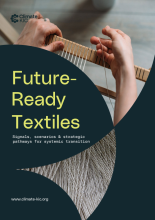
The textiles sector needs to become more circular, and traceability of components across the supply chain, transparency of information, and reliable data for circular business models are the cornerstones of this process.
The Delegated Act for Textiles under the Ecodesign for Sustainable Products Regulation is being prepared and will shape the Digital Product Passport in the textiles sector. The DPP must allow for the needs and capacities of actors throughout the supply chain in order to unlock circular business models and achieve the EU's environmental and social goals in the textile industry.
This policy brief gives an overview of the most pressing practical challenges facing these actors and provides actionable policy recommendations.
This webinar will explore the evolving regulatory and standards landscape that is reshaping the EU's fashion and clothing industry towards a circular economy. From the Ecodesign for Sustainable Products Regulation including Digital Product Passport and new Extended Producer Responsibility obligations to the practical role of international standards in achieving compliance, this session will provide essential insights into the critical changes ahead and the potential impact on SMEs.
CE-PRINCE (Central Europe Green PRocurement and Innovation Network for Circular Economy) is an Interreg Central Europe project. It aims to standardise circular procurement approaches across central European countries and industries.