Flexible plastic packaging is a growing and challenging segment of the plastic stream that deserves its own strategies and investments. On 5 May, the first webinar will feature perspectives and lessons from four leading organisations that have developed comprehensive roadmaps and plans to step up the recovery of flexible plastics.
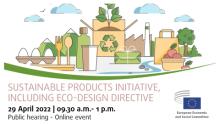
A public hearing on 29 April 2022 is organised to feed into an EESC opinion on the Sustainable products initiative, including Ecodesign Directive. It will bring together speakers and participants from the EU institutions, as well as the organised civil society to discuss the proposed legislative framework.
On Thursday 28 April The European Commission invites you to an online event on the methods for measuring the life cycle performance of products and organisations: the Product Environmental Footprint (PEF) and the Organisation Environmental Footprint (OEF).
This interactive webinar with experts, organised by HiCircular, will take participants through essential steps in the transition towards a more circular way of doing business.
This webinar on 26 April will show you how to help your value chain reduce its carbon emissions to fight climate change, keep your business competitive, and stay legally compliant.
The MeetingPack conference is held every two years by AIMPLAS and AINIA. This year's event will bring packaging value chain stakeholders to the Valencia Conference Centre on 20-21 April 2022 to discuss Barrier Packaging Solutions: A Challenge for the Circular Economy.
Join the event on 21 April 2022 for the launch of the Circularity Gap Report Sweden to learn more about the state of circularity in Sweden and how advancing it can help strengthen climate action.
The 4th OECD Roundtable on the Circular Economy in Cities and Regions will bring together key stakeholders from cities, regions, national governments, the private sector, civil society, academia, philanthropy and international organisations on 12 April 2022.
RREUSE is excited to invite you to its forthcoming webinar discussing a burning question: Who should finance re-use policies?
Taking place on 7 April, the event aims to provide an opportunity for the exchange of good practices between members of the RREUSE network, policymakers, local authority representatives, and waste management and prevention experts. After a showcase of good practices from the RREUSE network, the audience will be invited to brainstorm on the most efficient way for re-use policies to be financed.
This event on 7 April aims to explore the concept of biofactories and present the technical advances of the projects ECOVAL and WALNUT. The social, legal and market barriers for the valorisation of high added value products for agriculture and industry, such as sludge or biofertilisers obtained from waste flows from urban water treatment plants, will be discussed.