The European Commission and the European Committee of the Regions will host the presentation of the 2025 Environmental Implementation Review, a regular reporting tool designed to improve the implementation of EU environmental laws and policies.
In the European Union context, a just transition refers to the shift toward a low-carbon, climate-resilient economy in a way that is fair, inclusive and leaves no one behind.
To support this effort, the European Environment Agency is hosting a webinar that brings together insights from recent research and country-level practices to better understand the socio-economic impacts of the circular economy transition.
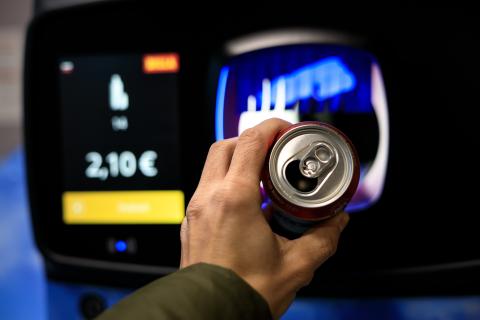
The European Deposit Return Systems Association (EDRSA) for beverage packaging was founded in 2025.
The objective is to advance best practices, policy development and collaboration in the field of deposit return systems (DRS) in Europe.
EDRSA aims to foster innovation, efficiency and environmental responsibility in DRS programmes by bringing together key players from across the industry, including system operators, policymakers, recyclers and technology providers. The association will serve as a platform for sharing expertise, advocating for effective legislation and driving improvements in circular economy initiatives.
The members of the Association operate in 15 EU Member States plus Iceland and Norway.
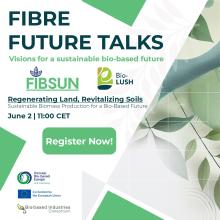
The FIBSUN and Bio-LUSH projects are organising a webinar series called FibreFuture Talks – Visions for a Sustainable Bio-based Future. It will explore the opportunities, challenges and innovation potential of the bioeconomy across Europe, from the perspective of two collaborative and pioneering projects.
The second episode will focus on regenerative strategies and innovative solutions for sustainable biomass production and land recovery.
Companies can use IMERO's food compliance label service to ensure that their products are labelled properly. This means that consumers know what to do with recyclable packaging and recyclers know how to deal with it. The end result, of course, is less waste.
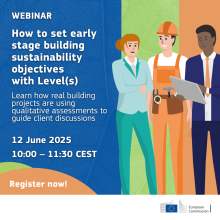
The European Commission is hosting a special webinar to show how the Level(s) common language framework for the sustainability performance of buildings supports early-stage qualitative assessments and reporting.
The session will dive deep into how Level(s) performance indicators help buildings professionals prioritise aspects of sustainability and align client and design team expectations from the concept stage of a building’s lifecycle.
This session explored the role of biodiversity credits from a variety of perspectives, from farmers to policy to young people. Here are the highlights - and recording! - of the discussion!
Circular Summit Fryslân 2025 will highlight the power of regions in shaping a circular future.
With keynote speeches, hands-on working sessions and inspiring field trips, this event will bring together circular changemakers with a view to fostering international cooperation.