Awareness is increasing about the presence of microplastics in our environment and their negative impact on ecosystems, animals and people. The wearing/washing of textiles made from synthetic fibers is one recognised source of microplastics in the environment. Textiles and plastics are among the key value chains in the EU circular economy action plan.
It is possible to reduce or prevent the release of microplastics from textiles by implementing sustainable design and production processes and caretaking measures that control microplastic emissions during use, and by improving disposal and end-of-life processing.
This briefing aims to improve our understanding of microplastics released from textiles from a European perspective and identify pathways to reduce or prevent this release.
Circular design is an important enabler of the transition towards sustainable production and consumption of textiles through circular business models. The design phase plays a critical role in each of the four pathways to achieving a circular textile sector:
longevity and durability
optimised resource use
collection and reuse
recycling and material use.
This briefing aims to improve our understanding of the environmental and climate impacts of textiles from a European perspective and to identify design principles and measures to increase circularity in textiles. It is underpinned by a report from the EEA's European Topic Centre on Circular Economy and Resource Use available here.
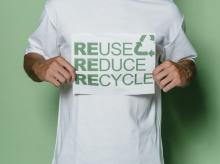
The goal of the circular economy is to take full advantage of all available resources through reducing, reusing, repairing and recycling. The recent Nordic Circular Summit in Copenhagen covered topics from public administration programmes to innovative techniques and renewable practices in the marine and food industries.
What can we learn about the circular economy from the Nordic perspective? Find some answers in this position paper.
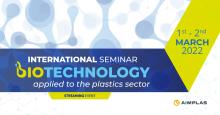
AIMPLAS organises its 1st International Seminar on Biotechnology Applied to the Plastics Sector on 1-2 March 2022, to discuss the main RDI developments and global solutions for the entire value chain. It tackles the use of organic waste to obtain new plastics, enzymatic recycling processes for plastics, the role of biotechnology in recovering complex waste, converting plastic industry scrap, etc.