Peecycle aims to reduce the production and import of fertilisers from all over the world while making more efficient use of an inexhaustible source of minerals which is currently viewed as waste: urine!
Estonian start-up 3cular has designed a pioneering way of reusing this sawdust to produce new objects with 3D printing. The desired object is designed using 3D modelling software and then a 3D printer is used to produce the object in layers. The printing ink is a combination of sawdust and a non-toxic binder making it possible to print wooden objects faster and easier preserving the environment.
Based in the Danish capital Copenhagen, Veras operates several initiatives to reduce waste in the fashion sector by making it easy for everyone to swap and sell clothes. Veras is primarily an online webshop shipping to all Europe, where users can send in their own clothes. It also hosts weekly clothing markets for everyone to buy and sell clothing and has a flagship store in Copenhagen.
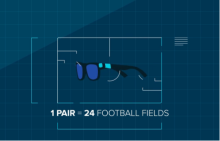
Italian startup Vaia has developed a passive loudspeaker for smartphones by using - as raw material - exclusively wood brought down by storm Vaia that badly hit the Dolomite mountains in Northern Italy in 2018.
Trifilon uses a consistent source of plastic from a European stream and reinforces it with plant fibres, thus improving the properties of the recycled plastics. These can be used to produce a range of colours and surface finishes, matte or polished.
In 2017 JRK Waste management introduced an intelligent data system (ECONIT) to reduce the high quantities of mixed municipal waste in Czechia. The programme asks residents to scan their rubbish with QR codes. Information on the quantity and types of waste produced is then used by the local waste management agencies to improve collection and recycling rates.