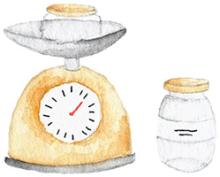
MIWA designs and produces genuinely circular packaging for the whole supply chain. It supplies brand owners/producers with smart capsules and retailers with smart dispensers using the service as a product model.
In Sweden, there is an initiative from the coffee roasting sector which aims to eliminate all waste related to coffee cultivation, processing and consumption by the year 2030.
Ligeti Bolt is a packaging-free grocery shopin Budapest. The shop does not sell any products in plastic wrapping or packaging and so customers buy exactly the amount they need.
Buurman is a hardware store and workshop that only uses secondary materials, such as wood from demolition sites and insulation materials, plywood and cables from construction sites in Rotterdam or from exhibitions and festivals.
Borealis manufactures polypropylene using renewable feedstock provided by Neste. Specifically, Neste produces renewable propane and Borealis converts it to renewable propylene and subsequently to renewable polypropylene.
In May 2019, the Belgium-based fruit and vegetable cutting business Allgro set up its own water plant. The facility turns wastewater into drinking water, thereby slashing the food company’s mains water consumption.
Charity shops are the most basic form of circular economy-driven supply chains:people donate unwanted items rather than throwing them away so that they can be put to use by someone else. La Poubelle is a variation on the theme of charity shops: it's a goods bank tailored specifically to the needs of people facing hard times.
ALBA Group is a major company active in recycling, environmental services and the supply of raw materials. It has come up with a method for producing plastic using secondary raw materials.