The BRILIAN project is designed to support the adoption of sustainable and cooperative business models in rural areas, enabling a smoother transition to bio-based economies. It plays a fundamental role in revitalising these regions and promoting sustainable economic and social development by transforming primary producers into active players in the supply chain, aligned with the goals outlined in the Common Agricultural Policy (CAP), the Green Deal and the European Bioeconomy Strategy.
Parma Municipality, the Confederazione Nazionale dell’Artigianato e della Piccola e Media Impresa (National Confederation of Crafts and SMEs) and La coperta di Linus have launched a project called Arteinborsa (A-Bag-from-Art). This project uses old posters from local exhibitions to create bags and accessories.
The Ocean Package UG is a young and sustainable company from Munich with the goal to make e-commerce more environmentally friendly and sustainable. For this purpose, they have designed reusable packaging made of recycled polypropylene, which contains a proportion of collected plastic from the North Sea. Their product can be used 20 times more often than conventional cardboard packaging.
AIMPLAS, the Plastics Technology Centre, has now completed the fourth and final year of the RepescaPlas project. The project has developed a complete management system for plastic waste recovered from the sea and subsequent recycling into products of commercial value.
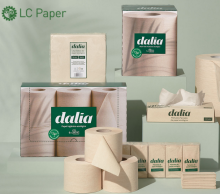
The project of LC Paper consists in the migration of all the plastic packaging of paper products (toilet paper, hand towels...) to cardboard packaging and folding.
Ristorazione Sostenibile 360° is the first voluntary certification programme for regional catering, suitable for any type of restaurant in the Emilia-Romagna Region (IT).
Quid provides jobs for vulnerable people, especially women, in a field for which Italy is renowned: fashion. Quid markets its ethical and sustainable clothing under the label Quid Project. The project sources the raw material from the Italian fashion and textile world, using production surpluses and end-of-series fabrics. It therefore combines social and environmental impact.
Rigiocattolo collects used toys, regenerates and puts them back into circulation. Its ambition is to become a bigger and renowed re-use centre that can also offer people a decent job.