This year's World Circular Economy Forum 2025 will feature an EU Accelerator Arena, showcasing a series of sessions dedicated to innovative initiatives that foster circular value chains, trade partnerships and compliance with environmental standards.
Nine sessions hosted at the Arena in Sao Paolo’s Tivoli Hotel (and online) will highlight initiatives promoting the circular economy with EU support.
The LIFE Calls for Proposals 2025 were published on 24 April 2025. The European Climate, Infrastructure and Environment Executive Agency (CINEA) will host the #EULife25 Info Days online from 13 to 15 May 2025 to support potential applicants.
The EU LIFE Programme has launched its 2025 call for proposals. If you’ve got an idea for conserving nature, protecting the environment, taking climate action or transitioning Europe to clean energy, your project could be in for a share of the €600 million just announced for 2025, €73 million of which is allocated to circular economy and quality of life projects.
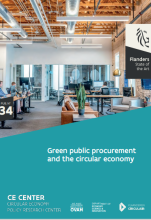
The inclusion of green clauses in public procurement contracts is gradually becoming an obligation in certain sectors in the EU.
This report highlights the role of green public procurement (GPP) in the transition to a circular economy through an analysis of the European regulatory framework. It looks at both hard (e.g. Batteries Regulation) and soft law (European Commission working documents). Relevant European legislation that is still in the adoption phase (e.g. Construction Products Regulation) is also considered.
An overview of useful model clauses for implementing GPP shows how these clauses can contribute to promoting the circular economy in public procurement. The study lists measures that could make GPP a more effective tool in the circular economy transition.
The Achieving Circularity in Cities through Environmental Sustainability of Sports (ACCESS) project is holding its final project.
It will showcase results and achievements by the four participating countries and cities, the tools produced to unlock the potential for more environmentally-friendly sports and encourage uptake, replication and reinforcement of sustainable resource management and circular economy in cities and sports.
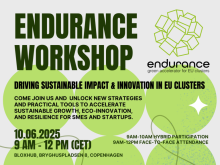
Join leading experts, innovators and cluster managers from across Europe at the ENDURANCE workshop, a half-day event dedicated to accelerating sustainable growth, eco-innovation and resilience for SMEs and startups.
The COM4PHA research project is working on developing new bioplastics for use in the packaging and agricultural sectors. The new formulations for packaging will be biodegradable and compostable, and the coating formulations will improve product quality and extend shelf life.
The Motagua River Basin is facing an unprecedented environmental crisis due to pollution from solid waste and untreated wastewater. The Government of Guatemala and the European Union have pledged to work together on a comprehensive strategy for the recovery of the Motagua River. The result is the Motagua Investment Forum.
Big changes are coming for the plastics industry: new policies, new requirements, new criteria. This seminar aims to help industry professionals get to grips with them.