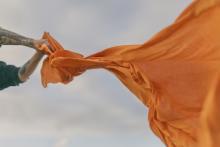
Infinited Fiber has developed a technology that can turn cotton rich textile waste into new fibres for the textile industry. Not just once, but infinitely. These new Infinna™ textile fibres can be recycled again and again without decreasing the quality of the fibre.
300 billion cigarette stubs are casually chucked away every year. Given that a single stub can pollute up to 500 litres of water, that is quite the environmental problem.
MéGO! offers a pragmatic solution with a service for collecting, sorting and recycling cigarette stubs.
The ECOALF Foundation's Upcycling the Oceans project is an unprecedented worldwide adventure that has already removed over 1700 tonnes of plastic waste from the bottom of the oceans with the support of over 4000 fishermen.
Räubersachen (robbers' loot in German) applies the concept of product-as-a-service to baby clothes. It provides parents with ecological woollen alternatives by refurbishing unneeded baby and toddler clothes and renting them out.
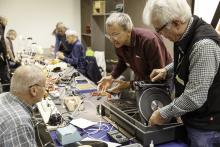
Munich has taken its ambitious waste reduction strategy to the next level by developing an innovative reuse lab and shop concept. Its Halle 2 municipal secondhand store not only enables people to take responsibility for living more sustainably, it also provides opportunities for job creation, educational programmes and voluntary activities.
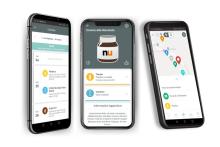
The Junker app recognises products with a single click on their barcode, and provides people with all the information they need to recycle their components correctly and quickly. It makes waste disposal easy!
Since 2011, Closing the Loop has been operating a successful waste compensation model. It has developed a unique approach in which customers pay to compensate for the marketing of new electronic devices. The fee is used to collect scrap mobile phones and batteries via Closing the Loop's long-term networks in Africa for responsible recycling in Europe.