Hotels do tend to get through textiles – sheets and towels wear out when subjected to heavy use.
CLOTH’EL collects textiles which no longer meet requirements and turns them into items which can be used by the initial owner to further their brand, or by other organisations or people which have a need for them.
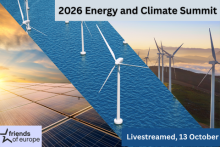
Europe is one of the fastest-warming areas in the world; in response, it is working to make its industry cleaner and more sustainable.
This summit will focus on what needs to be done to make this transition both investable and competitive. Hear what the speakers have to say about energy security, AI-related energy needs,electrification and climate resilience – along with the role of circularity and what is needed to build a single market for secondary resources in Europe.
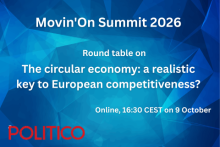
The 40-minute round table on the Circular Economy Act will discuss whether the Circular Economy Act can make Europe the powerhouse of the circular economy, reconciling environmental ambition with industrial competitiveness – or whether it will bring more restrictions than benefits.
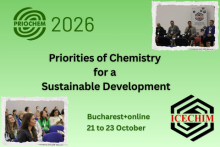
This annual event showcases research capable of converting scientific knowledge into differentiated solutions for high-priority markets.
Early-stage and experienced researchers will present their most recent results in the fields of chemistry and chemical engineering, with applications in areas including sustainable resource management, recovery, recycling and capitalisation of by-products from various agro-industrial streams.
Through keynote presentations, technical sessions and networking opportunities, this conference will promote interdisciplinary dialogue and encourage innovative approaches that contribute to a cleaner, greener and more sustainable future.
This WCEF2026 Accelerator Session offers a close-up look at Nordic circular cities: what works, what carries the transition, and what still stands in the way. New research meets real-world practice from across the Nordics and Europe.
Frontiers in Artificial Intelligence is calling for research papers on the application of artificial intelligence, machine learning, computer vision, robotics, optimization and edge computing to circular economy challenges.
This annual international conference and exhibition focuses on land and water remediation markets and technologies, which can bring contaminated land and water back into use.
It is global in scope, spreading know-how and technologies worldwide.
Estonian company Neular has developed a method for converting hard-to-recycle plastic waste streams into sturdy construction and infrastructure components such as fences and decking.
Recycled and recyclable, they keep resources in play – and you won't need to spend every summer varnishing them!