The European Call for Action on Circular Construction urges the EU to address key needs and potential within the construction sector as regards circularity, reuse and reduction.
At this conference, initiators and signatories along with stakeholders from the construction and demolition sector will meet with EU decision makers to hand over the Call for Action and discuss the potential of circular construction to deliver on competitiveness, climate and conservation of raw materials.
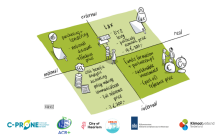
Cities and regions across Europe are facing similar challenges - at different stages and in different contexts - when implementing the circular transition. Over the past year, CCRI communities of practice have brought practitioners together to openly share what works, what doesn’t, and where they get stuck.
This CCRI online workshop series builds directly on these insights, turning peer exchange into practical, hands-on sessions designed to help you move from ambition to concrete actions - no matter where you are in your transition.
Over the past two and a half years, the Bio4HUMAN project has explored how bio-based innovations and circular approaches can contribute to more sustainable waste management in humanitarian contexts.
The final event will showcase the project’s key findings, lessons learned from field implementation and practical pathways for scaling sustainable bio-based solutions.
This event will bring together experts, policymakers, researchers and practitioners to discuss how innovation, governance and finance can accelerate the transition toward a circular economy.
Servicios Medioambientales de Valencia processes used mattresses into fractions for reuse. Their scalable model produces bales of polyurethane foam and steel which can be used as secondary raw materials.
CO₂ pricing helps governments turn emissions into tangible costs that influence real choices in policy, projects and public procurement.
This webinar is the first in a series exploring how CO₂ pricing is applied in practice as a management tool. It will explain how policy and projects guide choices together, and how procurement can embed these choices without fixed rules.
Berlin's Zero Waste Agency aims to make Berlin a zero-waste capital. As well as providing useful information via its website, it organises Zero Waste Action Weeks each year and brings together stakeholders in working groups and general meetings.
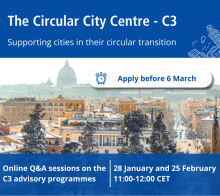
The Circular City Centre - C3 runs a Circular City Advisory programme and a Circular Project Advisory programme to support cities at various stages of their circular transition. They have just launched a new call for applications (deadline: 6 March). Online Q&A sessions will take place 28 January and 25 February.
LOOP Forum is the leading Nordic meeting place for companies working with the circular economy and resource efficiency.
It will bring together decision-makers from across industries to explore how circular solutions can strengthen competitiveness, secure access to critical resources, and build more resilient European value chains.
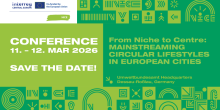
The EU-funded project NiCE – from niche to centre focuses on promoting circular lifestyles and sustainable consumption structures in city centres. Its final conference will transfer the knowledge built up during the project and promote networking among stakeholders, including during the Market of Opportunities where participants can present their city, organisation, activities or project.