The Ressourcerie Namuroise in Belgium provides collection and processing services for bulky household waste, while also helping people with scant marketable skills to break into the labour market. In 2017, the cooperative established a partnership with Namur's waste management authority, which enabled municipalities to outsource the collection of bulky items with a view to their reuse.
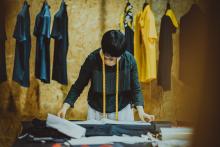
Based in the Danish capital Copenhagen, Veras operates several initiatives to reduce waste in the fashion sector by making it easy for everyone to swap and sell clothes. Veras is primarily an online webshop shipping to all Europe, where users can send in their own clothes. It also hosts weekly clothing markets for everyone to buy and sell clothing and has a flagship store in Copenhagen.
Splosh sells its range of products – from detergents and fabric softeners to shower gel and hand wash – in bottles that can be refilled from their concentrated refill pouches. Buying refills in these pouches cuts plastic waste by 95%.
Imagine Circularity is a new global initiative aiming to reach one million people in Europe and beyond. At its core is a short survey which exposes all participants to the basics of a circular economy, educates them and gathers their views and perceptions of circularity.
Precious Plastic was launched in the Netherlands in 2012. It brings together the solutions needed to tackle plastic waste, by boosting recycling, promoting new biodegradable materials or adopting zero waste lifestyles - whatever works.
In workspaces, waste plastic is transformed into valuable raw materials (Shredder, Extrusion, Sheetpress, Injection and Mix).
Collection Points gather plastic from neighbours, organisations and businesses to be processed by local Shredder Workspaces.
Community Points grow the local recycling network.
Machine Shops produce and build parts, machines and moulds for others in the local recycling network.
Members help with plastic collection and spreading the word.
The idea is to get everyone involved and playing their part.
Five consortium partners, including Ecopreneur.eu, have kicked off an EU-COSME funded project “Fashion For Change”. Over the next 3 years, they will help SMEs, designers and start-ups from the European fashion sector scale-up and accelerate their sustainable businesses while increasing awareness about circular fashion among stakeholders, including consumers. Share your views in the quick poll.
The New Consumer Agenda provides for the establishment of a Consumer Policy Advisory Group. There are still several seats to fill, and the European Commission would encourage environmental organisations and individual experts to apply. The deadline for applications is 20 May 2021.
Guidance for evaluating waste prevention programmes provides guidelines and practical advice and highlights case studies to help all EEA member countries evaluate their waste prevention programmes.
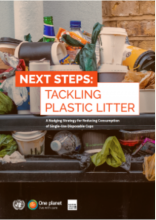
In this report, nudging is explored as a complement to traditional policies (regulation, economic incentives and information campaigns) to reduce the use of single-use plastics. Behavioural insights are used to develop different options to nudge consumer preferences from single-use cups to more sustainable alternatives.
Based on careful reviews and analysis of previous nudging projects, three green nudges are proposed to catalyse this shift.